In 2025, a static website is like showing up to a party in last year’s outfit. The web and the people using it move fast. What separates a forgettable website from one that feels alive? Adaptive personalisation.
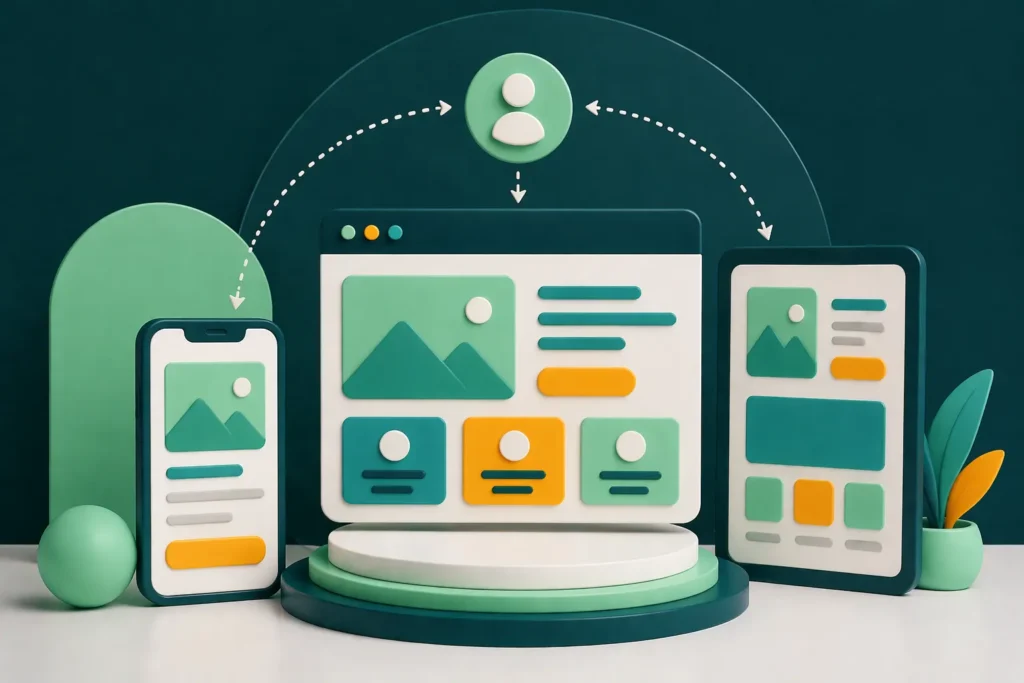
Adaptive personalisation (or real-time website personalisation / AI-driven website design) means a site doesn’t wait for you to tell it who you are, it figures it out and reshapes itself accordingly. Content, layout, entire user flow can shift depending on who’s watching.
Why Adaptive UX Design Matters
- Personal relevance drives engagement: People stay longer, click more, convert more when what they see feels made for them.
- Higher conversion rates & loyalty: The more a site feels “made for me,” the more likely a visitor becomes a recurring user or customer.
- Efficiency & scale for brands: Instead of building multiple site versions manually, adaptive personalisation scales dynamically across millions of users using AI logic.
What Adaptive Personalisation Actually Means
When someone says “dynamic website redesign,” they don’t mean a full rebuild every time, they mean:
- Content changes based on user profile or previous behaviour
- Layout tweaks depending on device, location, or user journey stage
- Recommendations tailored in real time (products, articles, services)
- UX adjustments, simplified for first-time users, detailed for returning ones
Under the hood, such sites often use a combination of behavioural data, first-party user data (e.g. region, language, preferences), and AI-driven logic to adapt.
Real-World Examples That Nail It
Here are a few examples of brands and services using personalised web experiences and adaptive UX design:
- Netflix – The recommendation engine on Netflix doesn’t just suggest what to watch. The thumbnails, show order, curated lists, and even artwork sometimes change depending on your watch history, region, and recent activity. It’s website + UX + content adapting for each user.
- Amazon – From the homepage banners to “Customers who bought this also bought…” sections, Amazon dynamically reorders products, suggestions, and deals based on your browsing/purchase history, locale, and what others similar to you did.
- Spotify (Web & App) – The “Discover Weekly” / “Daily Mix” algorithm curates playlists personalised to listening history and tastes. On the web interface, even recommended podcasts or playlists adapt based on user data.
- E-commerce stores using personalization platforms — Many modern stores (especially on platforms like Shopify or Magento) integrate plug-ins or AI tools that show different product recommendations, discount offers, or landing-page layouts based on entry source (search ad, referral, email), geography, or past behaviour.
These are examples of “real-time website personalisation” and “adaptive website design in action.”
How Agencies & Brands Can Use Adaptive Personalisation
If you’re building a brand or a website, thinking adaptive instead of static gives you multiple advantages:
- Segment-first design: Instead of one generic UX, define personas — new visitor, returning user, loyal customer, premium client, etc. Then plan which parts of the site adapt for each.
- Content fluidity: Use modular content blocks (text, image, CTA, recommendation widgets) that can be swapped in/out depending on user data — easier than redesigning whole pages.
- AI-driven recommendation engines & logic: Use tools that analyse user behaviour (pages visited, click patterns, time spent, region) and drive dynamic content & layout changes.
- Testing & iteration: Adaptive design demands constant measurement — which variant works better for which segment. A/B testing or multi-variant testing makes more sense than aiming for a “perfect first design.”
When Adaptive Personalisation Goes Wrong
It’s not magic — if done poorly, it can backfire:
- If the personalisation logic is weak or based on inaccurate data, the site can look inconsistent or confusing to users.
- Too many dynamic changes can make the site feel unpredictable. Some users prefer consistent experience, especially if they return.
- Privacy concerns: Overpersonalisation without transparency might feel intrusive. Users value clarity about what data is used and why.
- Technical overhead: Adaptive personalisation requires infrastructure — tracking, data collection, dynamic content blocks, fallback mechanisms. That’s more overhead than a simple static site
The Takeaway
Static websites were once enough. Today, in a world of demand for relevance, speed, and individual experience — adaptive personalisation is becoming the new normal.
Brands that embrace real-time website personalisation, adaptive UX design, and AI-driven dynamic website redesign will stand out not because of a flashy hero banner, but because every user feels like the site was built for them.
If you’re building a site in 2025, the question shouldn’t be “How can we look good?” but “How can we feel right for each visitor?”