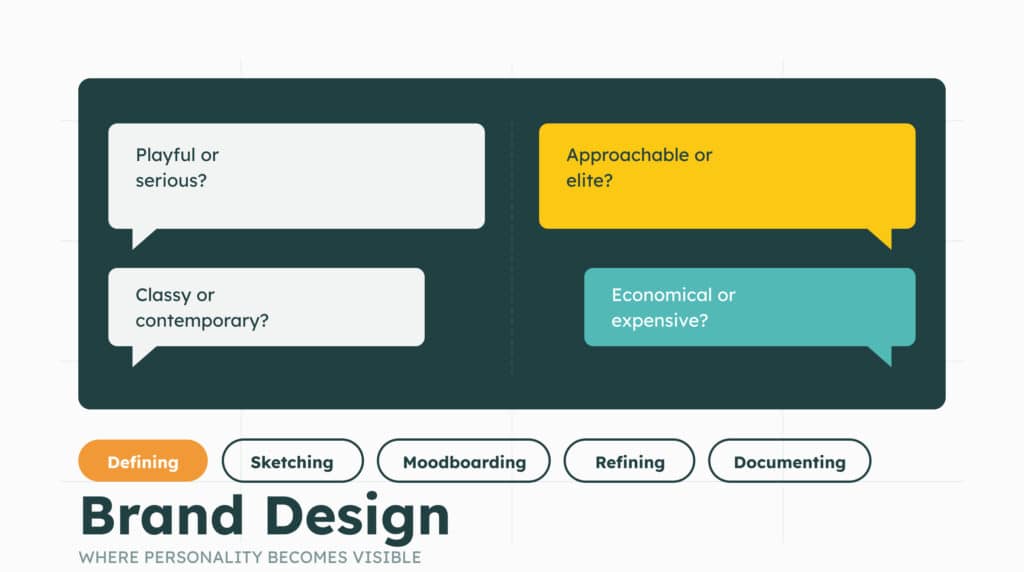
We are living through a content explosion. In just the last two years, Generative AI has fundamentally changed the internet. It has lowered the barrier to creation so drastically that the web is now flooded with infinite text, infinite images, and infinite video.
But in economics, when supply becomes infinite, value creates scarcity. And right now, the scarcest resource on the internet isn’t attention—it is trust.
For modern businesses, building brand trust in the age of AI is no longer just about having a quality product or a clever logo. It is about proving to your audience that you are, in fact, real. The brands that win in 2025 won’t be the ones using the most advanced algorithms; they will be the ones that effectively bridge the gap between technology and humanity.
The “Uncanny Valley” of Branding
Why is trust eroding? It comes down to “AI Fatigue.”
Consumers are developing a sixth sense for algorithmic content. We’ve all seen it: the LinkedIn post that sounds just a little too corporate, the stock image where the hands look slightly wrong, or the customer service email that loops in circles.
This creates a branding version of the “Uncanny Valley”—that unsettling feeling you get when something looks human but lacks a soul. When a brand feels like a bot, consumers instinctively pull away. They don’t engage because they don’t believe there is anyone on the other side listening.
To navigate this landscape, marketing leaders need to tear up the old playbook. Here is your post-AI branding strategy: three new rules to future-proof your reputation.
Rule #1: Radical Transparency
The first step to regaining trust is simple: stop pretending.
There is a temptation to use AI to pretend to be human—to use chatbots that mimic empathy or to use AI avatars as spokespeople.
This is a dangerous game. If your audience feels tricked, you lose them forever.
Instead, embrace AI transparency.
If you are using AI to speed up customer service, say so upfront: “I’m an AI assistant here to help you fast, but I can connect you to a human if you need one.” If you used Midjourney to create a mood board for a campaign, credit the tool.
Transparency signals confidence. It tells your customer, “We use technology to serve you, not to fool you.” In an era of deepfakes, honesty is
the ultimate premium product.
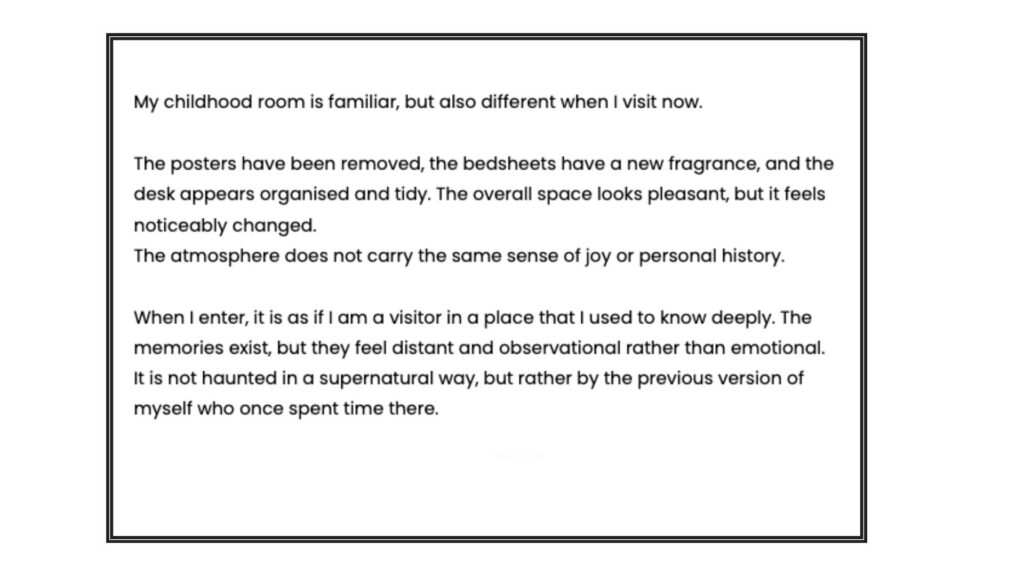
And here’s a small test. Two versions of the same text, one human-written, one AI-written. Read them side by side and you’ll instantly sense which one feels more real.

Rule #2: Double Down on the “Unhackable”
AI is brilliant at synthesis. It can mimic style, tone, and data. But there are things it simply cannot do. It cannot have a childhood memory. It cannot feel nervous before a big launch. It cannot shake your hand at a conference.
To stand out, you must invest in a human-centric brand identity. This means doubling down on the “unhackable” attributes of your business:
Show Your Faces: Stock footage is dead. Use real photos of your team, your office, and your chaotic brainstorming sessions.
Embrace Imperfection: AI produces polished, error-free mediocrity. Humans are messy. A handheld video shot on an iPhone often outperforms a glossy 4K render because the “shake” proves it’s real.
Tell Founder Stories: Share the “Why” behind your brand. AI can write a mission statement, but it can’t share the struggle of the late nights that built the company.
Rule #3: Community Over Content
For the last decade, marketing was obsessed with “reach”—how many eyeballs can we get? AI can now reach better than any human. It can churn out thousands of SEO articles a day.
So, stop trying to out-publish the robots. You will lose.Instead, shift your focus to authenticity in marketing.
Move from “broadcasting” to “conversing.” Build spaces where your customers can talk to each other and to you. Whether it’s a Discord server, a dedicated comment section, or live webinars, the goal is to foster a community that feels distinct and safe. Algorithms change, but community loyalty endures.
The Narrative Asia Takeaway
We are not anti-AI. At Narrative Asia, we use these tools every day to be more efficient and creative. But we know the boundary. AI is a tool; it is not a voice.
The future of branding belongs to those who can use technology to amplify their humanity, not replace it.
Is your brand ready for the authenticity era? Let’s build your human narrative.