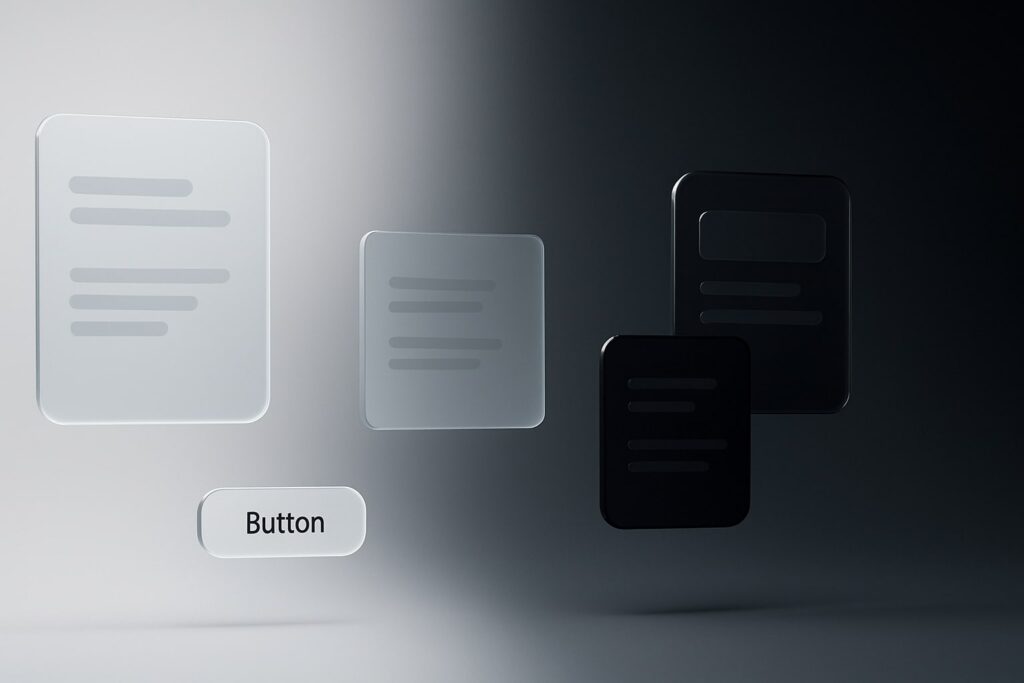
Most people think dark mode is just a cool design trend. But the truth is much bigger: dark mode changes how we feel, how we focus, and even how likely we are to take action on a website.
This is why more brands and websites are treating it as a serious part of user-centred design, not just an aesthetic choice.
Let’s break it down in the simplest way possible.
Why Dark Mode Exists in the First Place
We live on screens. And screens are bright, too bright, sometimes.
Dark mode was created to solve a basic problem:
Our eyes get tired when we stare at bright backgrounds for too long, especially in low-light environments.
Dark mode reduces brightness, reduces blue light, and makes reading easier at night.
This is why so many apps (Instagram, YouTube, Spotify) pushed dark mode first, the comfort factor was impossible to ignore.Its rise is not a coincidence. It’s science plus user behaviour coming together.
At Narrative Asia, we’ve seen this shift firsthand. Several websites we designed like Hrdwry and Aurionpro use dark themes to create a calmer, more premium browsing experience. For brands with complex content or tech-heavy environments, dark mode brings clarity, focus, and a surprisingly modern sense of ease.
The Psychology Behind Dark Mode
Design affects mood. Colour affects behaviour.
Dark mode taps into both.
Here’s what dark backgrounds do psychologically:
1. Reduce visual stress
Less glare means more comfort and more comfort means longer browsing time.
2. Make content feel focused
Dark mode naturally pushes attention toward the centre of the screen.
This is why developers, gamers, and readers prefer it, it removes distraction.
3. Feel more “premium” and “modern”
Dark colour schemes are often associated with luxury and tech.
Think of Netflix, Amazon Prime and GitHub.
Dark mode signals:
clean, confident, future-forward.
4. Match the user’s environment and mood
People browse differently during the day vs. night.
Light mode feels energetic.
Dark mode feels intimate.
This mood shift plays a huge role in how users experience a website.
What This Means for User-Centred Website Design
User-centred design is simple:
create websites that adapt to what people actually need.
Dark mode supports that by offering:
- Better readability at night
- Less strain for regular readers
- A quieter, more focused visual experience
- A sense of control (users choose the mode they prefer)
When people feel comfortable, they stay longer, read more, and trust a website more.
Comfort builds loyalty, it’s that simple
Yes, Dark Mode Can Improve Conversions Too
Conversions = when users take action.
Sign up, buy, click, download — anything.
Dark mode can influence this in three ways:
1. More time on site
If the experience feels easier on the eyes, users are less likely to drop off.
2. Better focus
Dark backgrounds highlight buttons, text, and important elements more clearly.
This improves decision-making.
3. Emotional influence
Dark themes naturally feel more relaxed and less harsh on the eyes.
Clear thinking leads to more confident clicks.
This is why many fintech, productivity, and D2C brands now default to dark mode.
When Dark Mode Works and When It Doesn’t
Dark mode is powerful, but not perfect.
Dark mode works best for:
- Media platforms
- Content-heavy websites
- Tech brands
- Night-time browsing
- Apps or dashboards with lots of data
Dark mode doesn’t work well for:
- Bright, cheerful, family-friendly brands
- Sites that rely on strong colour cues
Dark mode should always be a choice, not a replacement for light mode.
Best Practices for Dark Mode (Even If You’re Not a Designer)
If a brand wants to offer dark mode, a few rules matter:
- Keep text readable (no grey on black)
- Avoid neon colours that glow too harshly
- Make buttons and links clear
- Don’t darken images too much
- Match the brand’s personality
The goal is simple:
make the dark version feel like the same brand, just in a different light.
Conclusion: Mood-Driven Design Is the Future
Dark mode isn’t a design trend that will fade.
It’s part of a bigger shift:
websites adapting to human mood, comfort, and behaviour.
People want control, comfort, and choice.
And when brands recognise that, everything improves-user experience, perception, and sometimes even conversions.The future of website design is not just lighter or darker.
It’s adaptive, flexible, and built around how people feel when they browse.