• Memefluence: How Internet Culture Now Shapes Creative Strategy

    Memefluence: How Internet Culture Now Shapes Creative Strategy

    The CMO vs. The Admin

    Imagine this scenario: A global brand spends six months and ₹50 Lakhs developing a polished TVC. They focus-group every frame. They launch it. It gets a polite nod from the industry.

    Meanwhile, a 22-year-old social media admin at a rival startup spends 10 minutes making a meme on Canva about a trending topic. It gets 50,000 shares, reaches millions, and dominates the conversation for 48 hours.

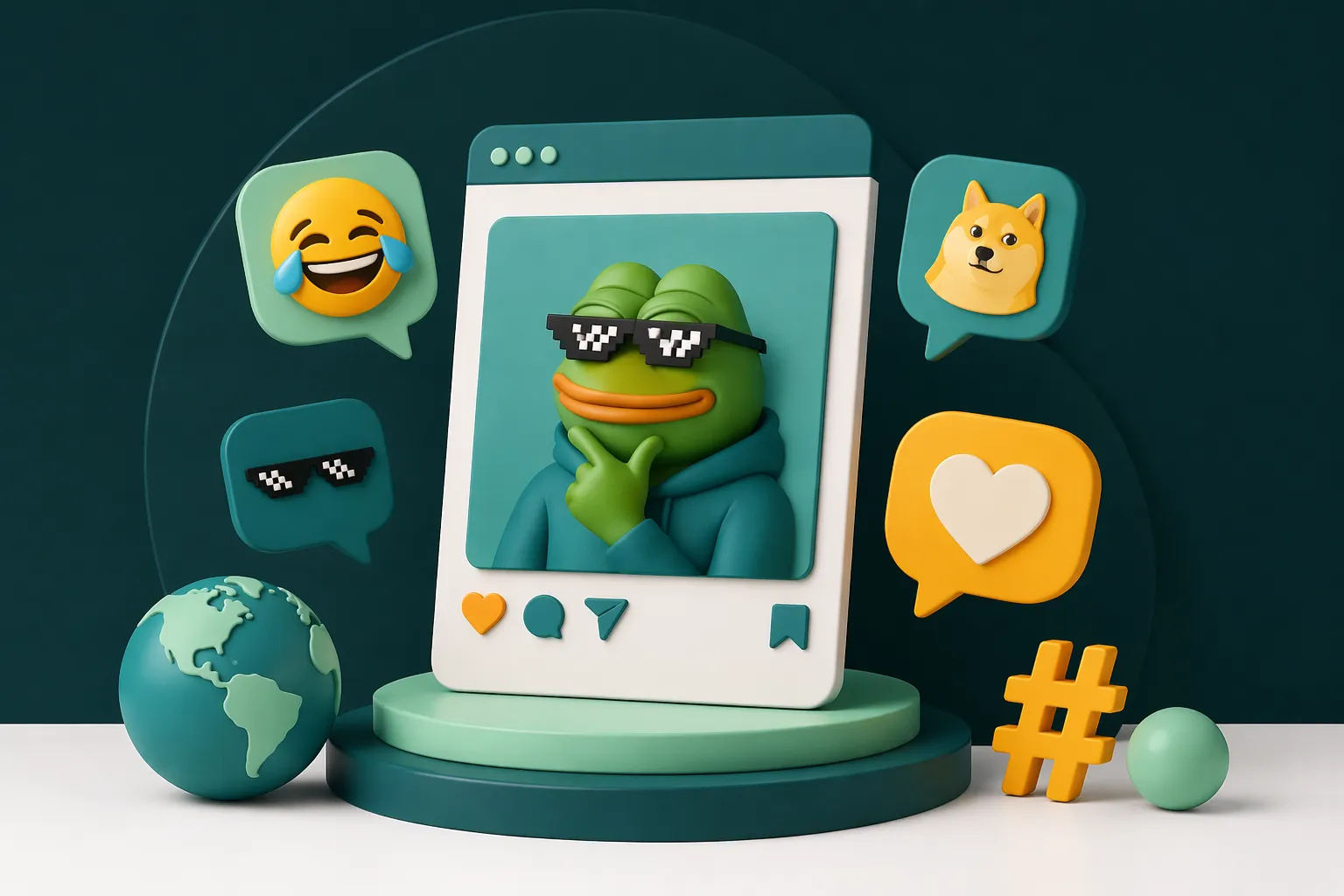
    This is Memefluence and the new power of internet culture in marketing.

    For a long time, traditional agencies dismissed memes as “filler content.” But in 2025, viral creative strategy isn’t just a tactic; it is the primary language of the consumer. If your brand doesn’t speak it, you aren’t just boring, you are functionally illiterate in the modern marketplace.

    The Shift From “Interrupting” Culture to “Becoming” Culture

    Advertising used to be about interruption. You watched a cricket match, and a brand interrupted it to sell you soap.

    Today, moment marketing trends thrive because the audience blocks ads, but they share memes. Why? Because memes are “inside jokes” at scale. When a brand successfully participates in a meme, they aren’t selling; they are signaling: “We get it. We are one of you.”

    This shift requires a fundamental change in how we view “Brand Guidelines.” The brands winning today are the ones willing to loosen their tie and play in the chaotic sandbox of the internet.

    The ROI of Relatability: Why Lo-Fi Beats Hi-Fi

    There is a growing demand for “Lo-Fi” content.

    A perfectly lit studio shot feels like a sales pitch. A grainy, zoomed-in screenshot with Impact font feels like a conversation.

    This is the core of a modern meme marketing strategy India.
    Consumers trust content that feels “made by a human,” not “approved by a committee.”

    Netflix India is a master of this. They don’t just post trailers; they post out-of-context screenshots that act as reaction images. They turn their product into a vocabulary.
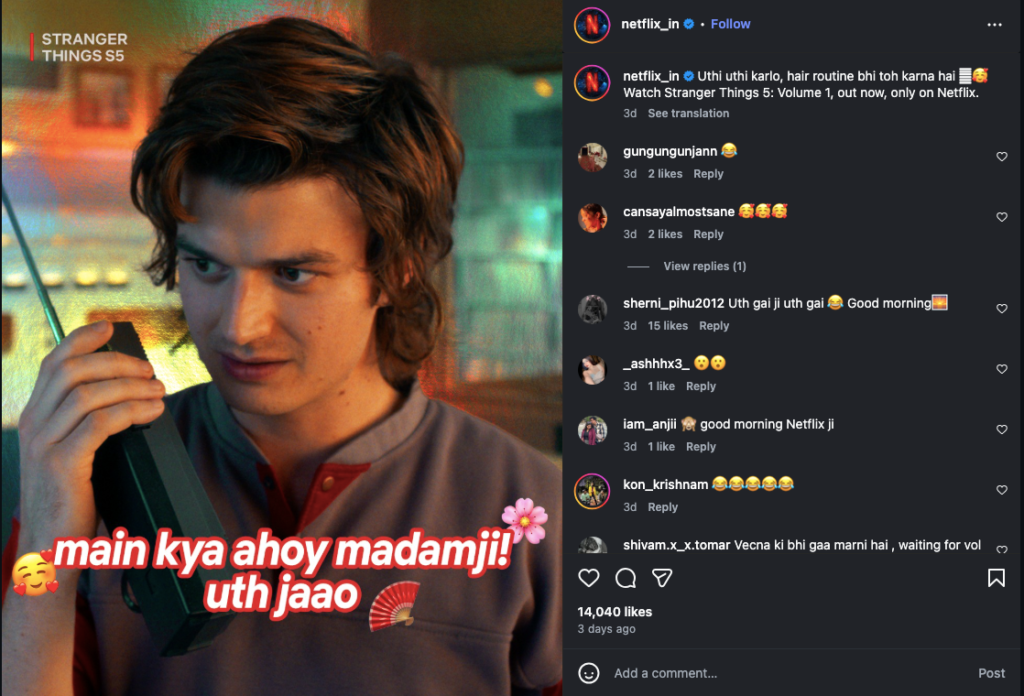
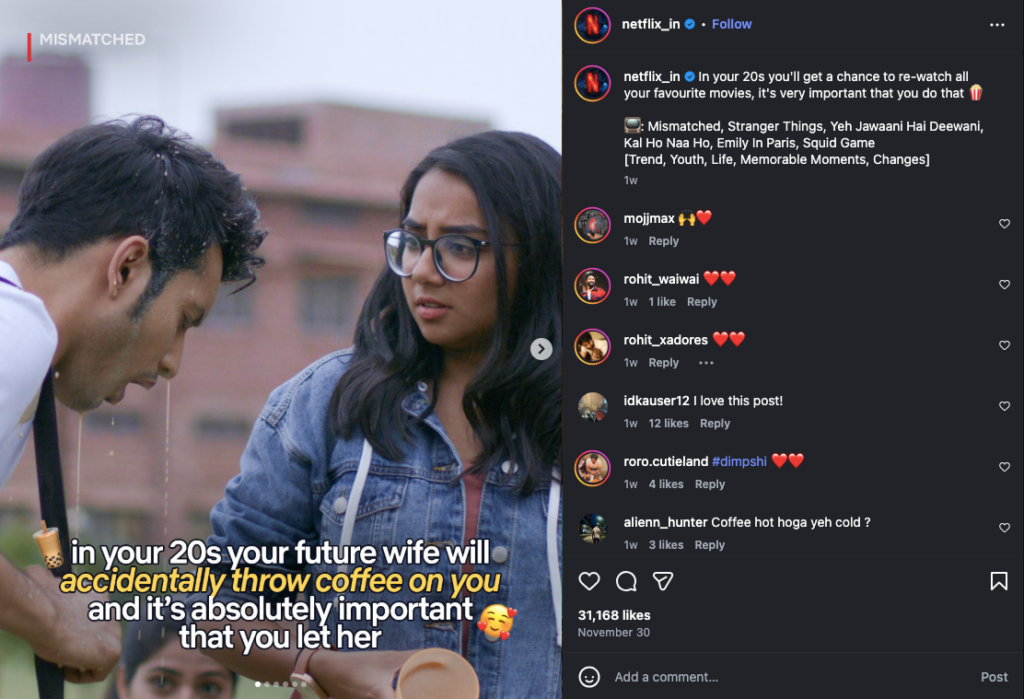
    By prioritizing brand relevance in pop culture over visual perfection, brands can achieve an ROI that traditional media buying simply cannot match: the cost of entry is zero, but the payoff is cultural dominance.

    The Indian Context: When Bollywood Meets the Algorithm

    India is the meme capital of the world. Our internet culture in marketing is a chaotic, beautiful mix of Bollywood dialogues, cricket heartbreak, and localized slang.
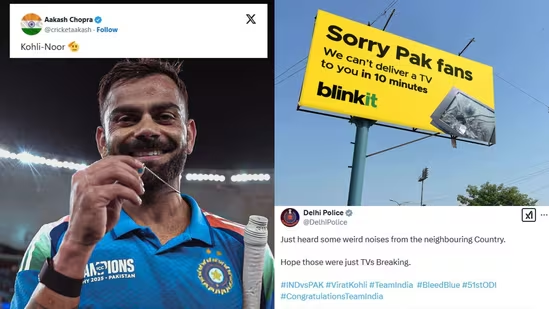
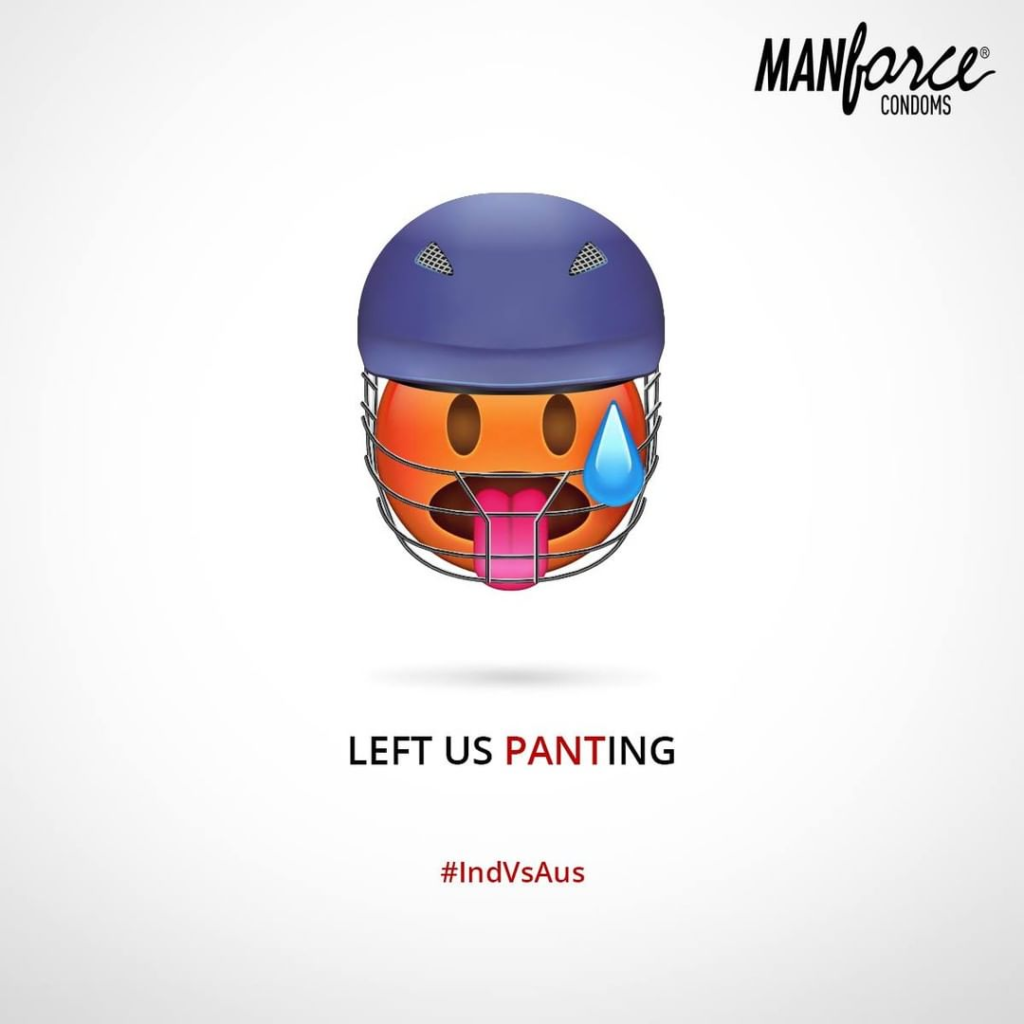
    For a creative agency, this presents a unique challenge. You cannot simply translate a western trend. A “skibidi toilet” reference might fly over the heads of a Tier-2 Indian audience, but a “So beautiful, so elegant, just looking like a wow” reference (even if dated now) instantly bridges the gap.

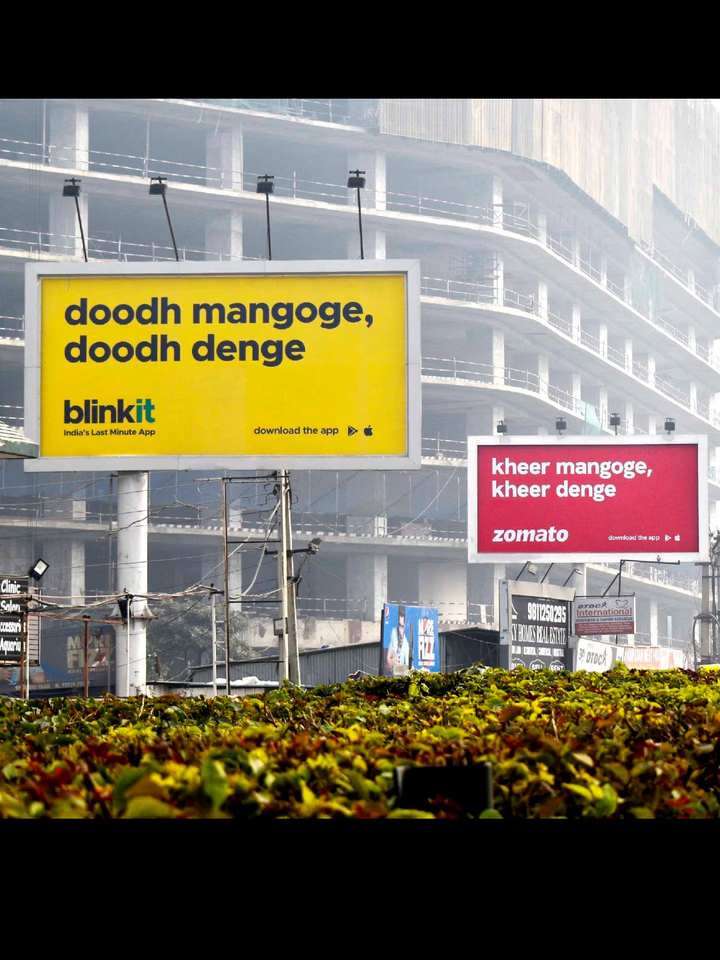
    Moment marketing trends in India move at lightning speed. Remember the Blinkit x Zomato billboard collaboration (“Doodh mangoge…” “Kheer denge”)? It was simple, text-based, and culturally rooted. It went viral not because of the design, but because of the context. It turned a billboard into a meme format that every other brand immediately copied.
    The Rules of Engagement: How to Avoid the “Cringe”

    The danger of meme marketing is the “Steve Buscemi Effect”—the older gentleman trying to dress like a teenager (“How do you do, fellow kids?”).

    To navigate this, we follow three rules:

    Speed is Safety: If you are three days late to a trend, do not post it. An old meme is worse than no meme.

    Respect the Format: Do not force your product where it doesn’t fit. If the meme is about “emotional damage,” don’t try to twist it into selling insurance unless the link is genius.

    Punch Up, Never Down: Internet culture rewards self-deprecation. Duolingo is famous for threatening its users. It works because the brand is the “villain” of the joke, not the user.

    From Factory to Newsroom

    To survive in the meme economy, brands must change their internal wiring.

    Traditional marketing operates like a Factory: linear, slow, and obsessed with perfection. (Brief → Strategy → Copy → Design → Approval → Publish).

    Modern marketing must operate like a Newsroom: fast, reactive, and obsessed with timing.

    You cannot wait for three rounds of legal approval for a moment marketing post. By the time it is approved, the moment is gone. We need to build frameworks that allow for “safe agility” giving creative teams the freedom to react to culture in real-time within pre-agreed boundaries. Perfection is the enemy of relevance.

    Conclusion

    The internet is a party. Most brands stand in the corner handing out business cards. The brands that win are the ones on the dance floor, learning the steps as they go.

    At Narrative, this is exactly how we approach culture-led creative thinking. We help brands stop broadcasting and start participating—by reading the room, reacting in real time, and showing up with ideas that feel native to the internet, not imposed on it.

    Is your brand ready to stop broadcasting and start participating?

  • The New Rules of Brand Trust in a Post-AI World

    The New Rules of Brand Trust in a Post-AI World

    We are living through a content explosion. In just the last two years, Generative AI has fundamentally changed the internet. It has lowered the barrier to creation so drastically that the web is now flooded with infinite text, infinite images, and infinite video.

    But in economics, when supply becomes infinite, value creates scarcity. And right now, the scarcest resource on the internet isn’t attention—it is trust.

    For modern businesses, building brand trust in the age of AI is no longer just about having a quality product or a clever logo. It is about proving to your audience that you are, in fact, real. The brands that win in 2025 won’t be the ones using the most advanced algorithms; they will be the ones that effectively bridge the gap between technology and humanity.

    The “Uncanny Valley” of Branding

    Why is trust eroding? It comes down to “AI Fatigue.”

    Consumers are developing a sixth sense for algorithmic content. We’ve all seen it: the LinkedIn post that sounds just a little too corporate, the stock image where the hands look slightly wrong, or the customer service email that loops in circles.

    This creates a branding version of the “Uncanny Valley”—that unsettling feeling you get when something looks human but lacks a soul. When a brand feels like a bot, consumers instinctively pull away. They don’t engage because they don’t believe there is anyone on the other side listening.

    To navigate this landscape, marketing leaders need to tear up the old playbook. Here is your post-AI branding strategy: three new rules to future-proof your reputation.

    Rule #1: Radical Transparency

    The first step to regaining trust is simple: stop pretending.

    There is a temptation to use AI to pretend to be human—to use chatbots that mimic empathy or to use AI avatars as spokespeople.

    This is a dangerous game. If your audience feels tricked, you lose them forever.

    Instead, embrace AI transparency.

    If you are using AI to speed up customer service, say so upfront: “I’m an AI assistant here to help you fast, but I can connect you to a human if you need one.” If you used Midjourney to create a mood board for a campaign, credit the tool.

    Transparency signals confidence. It tells your customer, “We use technology to serve you, not to fool you.” In an era of deepfakes, honesty is
    the ultimate premium product.

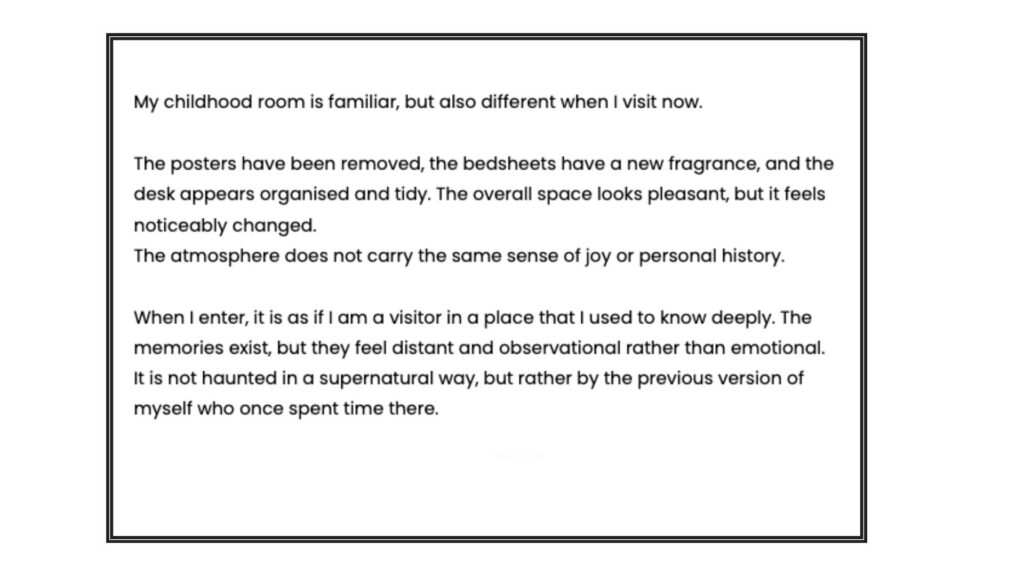
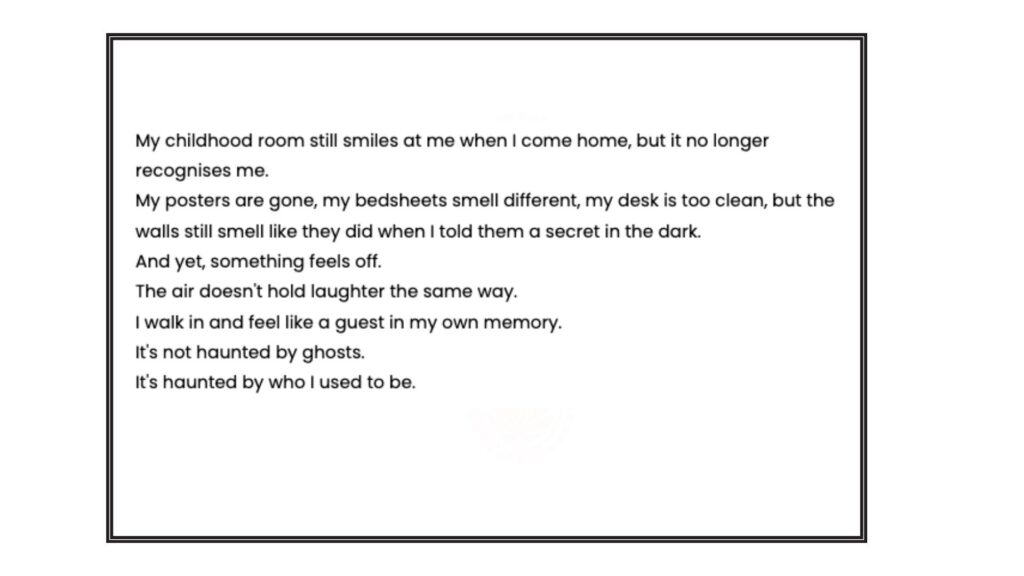
    And here’s a small test. Two versions of the same text, one human-written, one AI-written. Read them side by side and you’ll instantly sense which one feels more real.

    Rule #2: Double Down on the “Unhackable”  

    AI is brilliant at synthesis. It can mimic style, tone, and data. But there are things it simply cannot do. It cannot have a childhood memory. It cannot feel nervous before a big launch. It cannot shake your hand at a conference.

    To stand out, you must invest in a human-centric brand identity. This means doubling down on the “unhackable” attributes of your business:

    Show Your Faces: Stock footage is dead. Use real photos of your team, your office, and your chaotic brainstorming sessions.

    Embrace Imperfection: AI produces polished, error-free mediocrity. Humans are messy. A handheld video shot on an iPhone often outperforms a glossy 4K render because the “shake” proves it’s real.

    Tell Founder Stories: Share the “Why” behind your brand. AI can write a mission statement, but it can’t share the struggle of the late nights that built the company.

    Rule #3: Community Over Content

    For the last decade, marketing was obsessed with “reach”—how many eyeballs can we get? AI can now reach better than any human. It can churn out thousands of SEO articles a day.

    So, stop trying to out-publish the robots. You will lose.Instead, shift your focus to authenticity in marketing.

    Move from “broadcasting” to “conversing.” Build spaces where your customers can talk to each other and to you. Whether it’s a Discord server, a dedicated comment section, or live webinars, the goal is to foster a community that feels distinct and safe. Algorithms change, but community loyalty endures.

    The Narrative Asia Takeaway

    We are not anti-AI. At Narrative Asia, we use these tools every day to be more efficient and creative. But we know the boundary. AI is a tool; it is not a voice.

    The future of branding belongs to those who can use technology to amplify their humanity, not replace it.

    Is your brand ready for the authenticity era? Let’s build your human narrative.

  • What Happens to Your Brain in Dark Mode?

    What Happens to Your Brain in Dark Mode?

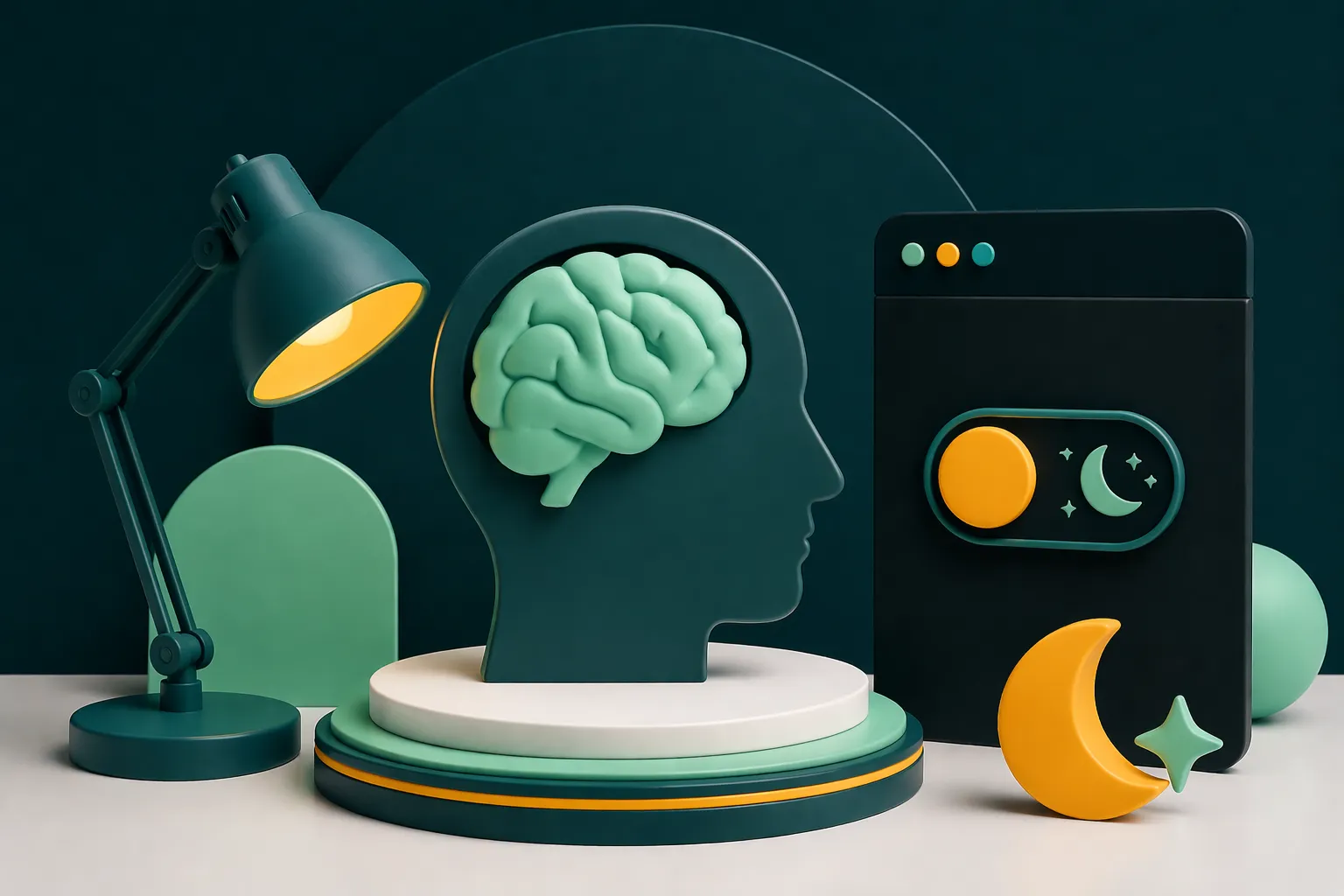
    Most people think dark mode is just a cool design trend. But the truth is much bigger: dark mode changes how we feel, how we focus, and even how likely we are to take action on a website.
    This is why more brands and websites are treating it as a serious part of user-centred design, not just an aesthetic choice.

    Let’s break it down in the simplest way possible.

    Why Dark Mode Exists in the First Place

    We live on screens. And screens are bright,  too bright, sometimes.
    Dark mode was created to solve a basic problem:
    Our eyes get tired when we stare at bright backgrounds for too long, especially in low-light environments.

    Dark mode reduces brightness, reduces blue light, and makes reading easier at night.
    This is why so many apps (Instagram, YouTube, Spotify) pushed dark mode first, the comfort factor was impossible to ignore.Its rise is not a coincidence. It’s science plus user behaviour coming together.

    At Narrative Asia, we’ve seen this shift firsthand. Several websites we designed like Hrdwry and Aurionpro use dark themes to create a calmer, more premium browsing experience. For brands with complex content or tech-heavy environments, dark mode brings clarity, focus, and a surprisingly modern sense of ease.

    The Psychology Behind Dark Mode

    Design affects mood. Colour affects behaviour.
    Dark mode taps into both.

    Here’s what dark backgrounds do psychologically:

    1. Reduce visual stress

    Less glare means more comfort and more comfort means longer browsing time.

    2. Make content feel focused

    Dark mode naturally pushes attention toward the centre of the screen.
    This is why developers, gamers, and readers prefer it, it removes distraction.

    3. Feel more “premium” and “modern”

    Dark colour schemes are often associated with luxury and tech.
    Think of Netflix, Amazon Prime and GitHub.  

    Dark mode signals:
    clean, confident, future-forward.

    4. Match the user’s environment and mood

    People browse differently during the day vs. night.
    Light mode feels energetic.
    Dark mode feels intimate.

    This mood shift plays a huge role in how users experience a website.

    What This Means for User-Centred Website Design

    User-centred design is simple:
    create websites that adapt to what people actually need.

    Dark mode supports that by offering:

    • Better readability at night
    • Less strain for regular readers
    • A quieter, more focused visual experience
    • A sense of control (users choose the mode they prefer)

    When people feel comfortable, they stay longer, read more, and trust a website more.
    Comfort builds loyalty, it’s that simple

    Yes, Dark Mode Can Improve Conversions Too

    Conversions = when users take action.
    Sign up, buy, click, download — anything.

    Dark mode can influence this in three ways:

    1. More time on site

    If the experience feels easier on the eyes, users are less likely to drop off.

    2. Better focus

    Dark backgrounds highlight buttons, text, and important elements more clearly.
    This improves decision-making.

    3. Emotional influence

    Dark themes naturally feel more relaxed and less harsh on the eyes.
    Clear thinking leads to more confident clicks.

    This is why many fintech, productivity, and D2C brands now default to dark mode.

    When Dark Mode Works and When It Doesn’t

    Dark mode is powerful, but not perfect.

    Dark mode works best for:

    • Media platforms
    • Content-heavy websites
    • Tech brands
    • Night-time browsing
    • Apps or dashboards with lots of data

    Dark mode doesn’t work well for:

    • Bright, cheerful, family-friendly brands
    • Sites that rely on strong colour cues

    Dark mode should always be a choice, not a replacement for light mode.

    Best Practices for Dark Mode (Even If You’re Not a Designer)

    If a brand wants to offer dark mode, a few rules matter:

    • Keep text readable (no grey on black)
    • Avoid neon colours that glow too harshly
    • Make buttons and links clear
    • Don’t darken images too much
    • Match the brand’s personality

    The goal is simple:
    make the dark version feel like the same brand, just in a different light.

    Conclusion: Mood-Driven Design Is the Future

    Dark mode isn’t a design trend that will fade.
    It’s part of a bigger shift:
    websites adapting to human mood, comfort, and behaviour.

    People want control, comfort, and choice.
    And when brands recognise that, everything improves-user experience, perception, and sometimes even conversions.The future of website design is not just lighter or darker.
    It’s adaptive, flexible, and built around how people feel when they browse.

  • Escapism as Marketing is Creating Fantastical Brand Worlds

    Escapism as Marketing is Creating Fantastical Brand Worlds

    In a world overwhelmed by information overload, economic instability, and digital fatigue, consumers are yearning for an escape, a respite from the relentless pace of reality. Enter escapism in marketing: a strategy that transports audiences into immersive, fantastical realms where imagination reigns supreme.

    The Rise of Escapism in Marketing

    Escapism in marketing isn’t just a fleeting trend; it’s a response to the saturation of authenticity and the desire for emotional connection. Brands are moving beyond traditional advertising to create experiences that captivate the senses and emotions of their audience.

    For instance, fashion giants like Valentino and Burberry have embraced surreal elements in their campaigns, crafting dreamlike narratives that resonate deeply with consumers. These brands are not merely selling products; they’re offering a journey into alternate realities that evoke wonder and nostalgia.

    Crafting Fantastical Brand Worlds

    To effectively implement escapism in brand communication strategy, marketers must focus on creating immersive experiences that transport audiences into imaginative worlds. This involves:

    • Immersive Storytelling in Advertising: Developing narratives that captivate the audience’s imagination, allowing them to experience the brand’s message through engaging stories.
    • Experiential Brand Marketing: Creating interactive experiences that allow consumers to engage with the brand in meaningful ways, fostering a deeper emotional connection.
    • Fantasy Brand Storytelling: Incorporating elements of fantasy and surrealism into brand narratives to evoke emotions and create memorable experiences.

    By blending these elements, brands can craft narratives that not only entertain but also forge lasting emotional bonds with their audience.

    The Impact of Escapism on Consumer Behavior

    The effectiveness of escapism in marketing lies in its ability to evoke emotions. According to studies, emotionally immersive experiences can stimulate dopamine production, reduce stress, and enhance memory retention. When consumers are transported into a brand’s fantastical world, they are more likely to remember the brand and feel a stronger connection to it.

    Moreover, escapist marketing allows brands to stand out in a crowded marketplace. By offering unique, imaginative experiences, brands can differentiate themselves and build a loyal customer base.

    Real-World Applications

    Several brands have successfully implemented escapism in their marketing strategies:

    • Calm: During the U.S. election, the mindfulness app bought media time to provide 30 seconds of silence between election coverage, offering a brief escape from the constant news cycle. The 30-second spot featured complete silence, appearing on channels like CNN, ABC News, and Comedy Central. The campaign was praised for its unique approach and humanity during the stressful broadcast,
    • Taco Bell: Taco Bell didn’t just run a campaign; they built a whole alternate reality you could physically step into. The Cantinas, their pop-up “early retirement community,” turned the brand’s Live Más philosophy into a living, breathing world. Guests could “retire” for a day, lounge around, and soak in an exaggerated, sitcom-like version of leisure—all wrapped in Taco Bell’s unmistakably fun, slightly absurd personality. It wasn’t an ad. It was a fantasy escape you could walk into, the brand’s humour, nostalgia, and world-building turned into a real environment that people couldn’t help but share.

    These examples demonstrate how brands can use escapism to create memorable experiences that resonate with their audience

    Conclusion

    Escapism in marketing is more than just a creative strategy; it’s a powerful tool for building emotional connections with consumers. By crafting fantastical brand worlds, marketers can transport audiences into realms of imagination, fostering loyalty and differentiation in an increasingly saturated market.

    As we move forward, the challenge for brands will be to balance creativity with authenticity, ensuring that their escapist narratives align with their core values and resonate with their audience on a deeper level.

  • Brand Films for B2B? Why Industrial Giants are Going Cinematic

    Brand Films for B2B? Why Industrial Giants are Going Cinematic

    What’s Changing in B2B Visual Language

    Remember when corporate brand films were mostly stock footage, monotone narrators, and bullet-pointed “features & benefits”? That era is fading. Industrial giants are opting for brand film production that’s cinematic-rich visuals, mood, craftsmanship, letting product speak louder than pitch decks.

    Why Brand Films Matter for Industrial Giants

    Here’s what’s driving the shift:

    • Trust & Perception: A cinematic brand film instantly stakes you as a premium, reliable partner.
    • Emotional Differentiation: Even in heavy-duty industries, buyers are human. Seeing craftsmanship, hearing real material, watching process builds emotional brand connection.
    • Standing Out in B2B Crowdedness: When every competitor is talking specs, being the brand with a story or aesthetic gives recall.

    These are key in b2b video marketing trends: not just rational persuasion, but story, mood and production value.

    Elements of Cinematic Brand Storytelling in B2B Films

    Here’s how these films tend to pull it off:

    • High production value in lighting and sound: ambience, texture, impactful silence.
    • Minimal voice-over, strong visuals and music. Let the product or process “speak”.
    • Narrative arcs: origin stories, process journeys, outcome stories  not just features.

    Great Examples from Real Brands

    • Volvo Trucks — “The Epic Split”: a stunt-driven cinematic demo that shows precision and engineering more than telling.
    • Lenovo – Tech@Heart series: real customers, real challenges, tech used for human outcomes. The film looks and feels cinematic even though it’s B2B.
    • Square – “Corner Store” activation video blending community and product in cinematic storytelling.

    Brand Films by Narrative

    At Narrative, we’ve also worked on creating impactful brand films that tell compelling stories. Here are a few examples:

    Invest Karnataka 2025 – Govt. of Karnataka: A vibrant film that celebrates the state’s culture, heritage, and innovation, created to shine at the Global Investors Meet.

    Gokaldas Exports: A heartwarming look at the incredible women behind the textile industry, capturing their journey from idea to finished garment.To see more of our work and explore how Narrative can bring your brand stories to life, visit Narrative Website.

    Emerging B2B Video Marketing Trends to Watch

    • Interactive elements: letting prospects pick what story path they view in video or case studies.
    • Short cinematic cuts for social formats + longer cinematic cuts for brand & investor decks.
    • Hybrid styles: product film production merging with documentary storytelling.
    • Rising demand for corporate brand films that feel like art pieces.

    How to Plan / Brief a Brand Film for B2B

    To make it work, brief well:

    • Be clear on the feel, not just the message. What mood, what texture, what lighting?
    • Keep messaging honest, avoid tech jargon overload; show rather than tell when possible.
    • Consider versions: long for website/investors, short for social or sales decks.

    The Role of Brand Film Production Going Forward

    To sum up: for industrial giants, corporate brand films and b2b brand films are no longer “nice-to-have”. They’re becoming essential tools in the b2b video marketing trends toolkit. With thoughtful brand film production, cinematic storytelling, and strategic visuals, industrial brands can build credibility, emotional resonance, and differentiation.

  • The Science of Goosebumps: How Brand Films Hack Human Emotion

    The Science of Goosebumps: How Brand Films Hack Human Emotion

    The Goosebump Effect

    Ever watched a brand film that gave you goosebumps? That tingling sensation isn’t just a physical reaction; it’s your brain’s way of signaling a deep emotional connection. According to research from Harvard Business Review, companies that connect with customers’ emotions can see significant increases in customer loyalty and sales.

    The Secret Sauce of Branding (Emotions)

    Emotions play a pivotal role in decision-making. Studies have shown that emotional responses to advertisements can be stronger and more memorable than those based solely on rational arguments. This is why emotionally charged experiences, such as heartwarming stories or funny videos, can leave a lasting impact.

    The Neuroscience Behind Emotional Branding

    When we experience emotions, our brains release chemicals like dopamine and oxytocin, which create feelings of pleasure and reward. This neurochemical response makes emotionally resonant campaigns more likely to be shared, leading to significant organic growth and a positive brand reputation.

    Crafting Brand Films That Elicit Goosebumps

    To create brand films that resonate, focus on:

    • Authenticity: Use real stories and genuine emotions to connect with your audience.
    • Storytelling: Craft narratives that evoke empathy and understanding.
    • Visuals: Utilize compelling visuals that complement the emotional tone of the story.
    • Sound: Incorporate music and sound effects that enhance the emotional impact.

    Examples of Emotional Brand Films

    Nike’s “Dream Crazy”: This film inspired viewers by showcasing athletes who overcame adversity, tapping into emotions of perseverance and determination.

    Dove’s “Real Beauty Sketches”: Dove connected with audiences by highlighting the emotional journey of self-perception and beauty.

    Apple’s “The Underdogs”: Apple’s film resonated with viewers by portraying the challenges and triumphs of a team working together to achieve a goal.

    The Role of Corporate Video Production Services

    Professional brand films require expertise in various areas:

    • Pre-production: Concept development, scripting, and storyboarding.
    • Production: Filming, direction, and cinematography.
    • Post-production: Editing, sound design, and visual effects.

    Engaging corporate video production services ensure that the final product aligns with the brand’s message and resonates with the target audience.

    Creating Films That Resonate

    In the world of branding, creating films that evoke emotional responses can lead to stronger connections with your audience. By understanding the science behind emotions and leveraging professional brand film production services, you can craft narratives that not only tell a story but also inspire action.

    Remember, it’s not just about showcasing a product; it’s about telling a story that your audience can relate to and feel connected with.

  • The Art of Quiet: Letting the Product Do the Talking

    The Art of Quiet: Letting the Product Do the Talking

    What “Quiet” Really Means

    A craft-centric film doesn’t shout about the product, it whispers. It lingers on the details, tunes into tiny sounds, and trusts the viewer to notice. Think less voice-over, more close-up. The goal? Let the product tell its own story through process, texture, and mood.
    In short: silent storytelling that lets visuals do the heavy lifting.

    Why Quiet Works (and Why Your Audience Will Thank You)

    Let’s be honest, people are tired of flashy, over-the-top ads. A pared-back, “quiet” film breaks through that noise. Those small tactile details-the grain of wood, the click of a button, the rhythm of a maker’s hands-stick in memory faster than any list of specs ever could.

    Minimalism isn’t just aesthetic; it’s effective storytelling that engages both mind and senses.
    (See: Advids’ take on product storytelling.)

    How to make a craft film that actually sells

    Keep these levers tight:

    Close-frame the craft. Micro-details are your hero shots. Less context, more texture. See BluestonePIM’s tips for “boring” products. Product centric video production thrives on this.

    Use sound like punctuation. The click of a cap, the thrum of a motor recorded well, these are emotional hooks.

    Pace like a human breathes. Hold the frame. Let the viewer inhale the scene. Minimal cuts let tactile moments land.

    Bring UX into the film. If the product is digital, show interactions; if physical, show user touchpoints. Placeit’s minimalist video examples are instructive.

    Go documentary, not demo. Use actual people, not actors, authenticity matters in craft centric films.

    films worth bookmarking

    MINI-Minimalism case study (Design-led car film; quiet design details).

    Royal Enfield – “Home” : a cinematic ride that prioritises place, and human hands over hard selling.

    Mia by Tanishq – “India Makes Us” : jewellery crafted and communicated through hands and light.

    Who this style suits and who it doesn’t

    Retro-futurism gives you permission to be both comforting and audacious. It’s a way to say “we remember where we came from” while pointing to where you’re headed. But like all unique brand design concepts, it only works when it’s right for the category, the audience, and the message. If you’re designing a digital first brand identity that needs to land emotionally and move fast, this is a trend worth trying carefully.

    Final thoughts

    Quiet brand films and minimalist advertising films don’t whisper because they’re shy; they whisper because they know you’ll lean in.

    Done with the art of visual storytelling, minimalistic brand films, and films that let the product speak, these productions turn every small detail into a moment of persuasion.

    With careful craft centric film production and attention to silent storytelling in branding, you transform simple processes into a narrative that sells, letting your product take center stage, naturally.

  • Sonic Branding: Why the Future of Identity Is Heard, Not Just Seen

    Sonic Branding: Why the Future of Identity Is Heard, Not Just Seen

    Close your eyes. What brand comes to mind when you hear a cheerful “ba-da-ba-ba-baa”? Or that iconic Netflix “ta-dum” before a new series begins? That’s not just sound. That’s strategy. That’s sonic branding. In a world where digital spaces are crowded with logos and visuals, brands are learning that identity isn’t only seen, it’s heard.

    What Is Sonic Branding?

    Simply put, sonic branding (or brand sound identity) is the strategic use of sound to represent a brand’s personality, values, and promise. Think of it as the audio version of a logo. Instead of a visual mark, it’s a melody, a tone, or even a rhythm that sticks in your memory.
    Intel’s iconic five-note jingle.

    Mastercard’s global sonic branding strategy, which plays the same sound cue in over 36 million retail environments.

    Even the “whoosh” sound you hear when sending an email on Apple devices.

    These are more than quirks, they’re brand assets.

    The Psychology of Sonic Branding

    Why does it work so well? Because our brains process sound faster than visuals. Studies show that humans respond to audio cues in 0.146 seconds, compared to 0.25 seconds for visuals. That’s a marketer’s dream: faster recall, stronger emotion.

    The psychology of sonic branding lies in how sound bypasses logic and goes straight for emotion. It triggers nostalgia, builds trust, and sets expectations before you even see the brand name.

    Example: When you hear HBO’s static “aaaaaaah” chord, you don’t just think of the brand, you anticipate high-quality storytelling.

    Sonic Branding in Advertising

    Here’s the truth: visuals can be skipped, muted, or scrolled past. Sounds? Much harder to ignore.
    That’s why sonic branding in advertising has skyrocketed.

    Take Coca-Cola’s “open–fizz–ahh”. No logos, no faces, just sound. You could be on radio or in a crowded shop and still know it’s Coke.

    Or look at Indian brands: Zomato’s delivery app chime. These sounds sneak into daily routines, becoming part of culture.

    Sonic Branding Strategy: Beyond Jingles

    A solid sonic branding strategy isn’t about creating a catchy tune and calling it a day. It’s about weaving sound into the entire brand ecosystem:

    Multisensory branding: Combine visuals, sounds, and even haptics (think of Tesla’s subtle engine hum designed for pedestrians).

    Consistency: Mastercard didn’t stop at ads; their sonic logo plays in-store, online, and even in their hold music.

    Cultural nuance: Sounds that work in New York might not land in Mumbai. Brands like Nokia adapted their ringtone regionally to fit local tastes.

    Examples of Sonic Branding You Didn’t Know You Knew

    WhatsApp –That signature message ping.
    Netflix –Their tu-dum has become so iconic it even has its own fan remixes.

    These subtle cues prove the power of sonic branding trends: moving from big jingles to everyday micro-sounds.

    Why the Future Is Heard, Not Just Seen

    As tech becomes more voice-first (hello, Alexa and Google Assistant), brands without a sonic brand identity will struggle to stand out. Imagine asking your smart speaker to order pizza, and instead of seeing logos, you hear:

    Domino’s upbeat guitar strum

    Pizza Hut’s familiar bell chime

    One wins. One blends into silence.

    That’s the future.

    Takeaways for Brands

    Sonic branding is not optional, it’s your brand’s invisible handshake.

    Build a multisensory branding approach: sights, sounds, and maybe even touch.

    Think beyond ads, integrate sounds into apps, websites, and physical spaces.
    Start small: a login chime, a product unboxing sound, or even a video intro.

    Narrative’s Take on Sonic Identities with Purpose

    At Narrative, we treat sonic branding with the same intent as a logo or tagline. Our approach is simple: the sound must be relevant to the brand, consistent across touchpoints, and create emotional recall strong enough to spark recognition without visuals.

    A proud example is our collaboration with Grammy Award winner Ricky Kej to reimagine the Kannada classic Nade Mundhe for Invest Karnataka. The track gave the campaign a powerful cultural anchor, helping the brand connect with global investors while celebrating local identity and amplifying its reach far beyond borders.

    Over to You

    So the next time someone asks, “What is a sonic brand?” you’ll know it’s not just a catchy tune. It’s a strategy, an identity, and a science-backed advantage.

    At Narrative, we help brands go beyond logos and slogans to build memorable multisensory identities. If you’d like to explore how your brand could sound, let’s talk.

  • Mobile Matters: Why Responsive Design Is Non-Negotiable in 2025

    Mobile Matters: Why Responsive Design Is Non-Negotiable in 2025

    You know that moment when you’re curled up on the couch, dog on your lap, tea in hand, and you decide to finally buy that pair of shoes you’ve been eyeing for weeks? You open the link… and BAM. The website loads in desktop mode. On your phone. Tiny buttons, overlapping text, and a checkout process so confusing it feels like filing taxes.

    Friday, our office dog, looked genuinely concerned as I rage-scrolled with one hand and spilled chai with the other. That’s when it hit me—if your website can’t handle something as basic as responsive web design, you’re not just losing sales. You’re losing trust.

    In 2025, mobile-friendly website design isn’t up for debate. It’s the bare minimum.

    The Mobile Takeover (and Why It’s a Big Deal)

    People don’t “go online” anymore. They live online. And they do it from their phones. Whether they’re checking prices in a cab, comparing brands in a store, or stalking their ex’s new skincare routine, your website better look good and work better.

    A mobile-friendly website design ensures that your customer journey isn’t an obstacle course. It should feel like a seamless conversation—not a tech tutorial.

    Example: Nykaa

    Their mobile-first design doesn’t just sell beauty—it feels beautiful. Filters, reviews, swipe-to-shop—it’s as intuitive as putting on lip balm.

    Why Responsive Design Matters (and Why Ignoring It Is a Crime)

    Imagine walking into a store and the shelves are upside down, the lights flicker, and no one speaks your language. That’s what a badly built website feels like on mobile.

    Responsive e-commerce website design isn’t just a flex—it’s a function.

    Why responsive design matters:

    • Google rewards it. (Yes, SEO matters.)
    • Users expect it.
    • Your revenue depends on it.

    Example: Lenskart

    From virtual try-ons to a cart that doesn’t mysteriously empty itself, Lenskart’s mobile site is a case study in user-friendly website design done right.

    Benefits of Mobile-First Design: Clean, Clear, Clickable

    Designing for mobile first makes you prioritize what matters:

    • Load speed (because no one has 7 seconds anymore)
    • Scannable content
    • Thumb-friendly design
    • CTA buttons that don’t hide under carousels

    Benefits of mobile-first design go beyond aesthetics—they improve user experience and web design, boost conversion, and reduce bounce like a dream mattress.

    Good UX: The Difference Between a Visitor and a Customer

    User experience in web design isn’t about colors and curves. It’s about clarity.

    Want to convert website visitors into customers? Make it ridiculously easy for them to:

    • Find what they need
    • Know what to do next
    • Trust that their money is safe with you

    Example: Swiggy

    Their mobile site is so smooth, I accidentally ordered food while researching this article. Twice. That’s what high-converting website design looks like.

    Websites with Good UX Design: The Unsung Sales Reps

    We love a charismatic sales team, but here’s the truth—your digital brand presence is your real first impression. And your website? It’s the front desk, showroom, and checkout counter rolled into one.

    Websites with the best UX don’t make you think. They make you act.

    Example: Cult.fit

    From workout booking to gear shopping, their mobile design is so intuitive, you’ll finish leg day before you find a single glitch.

    Website Design for Mobile Devices: A Must-Have Checklist

    Your dev team should be thinking about:

    • Adaptive grids
    • Font legibility
    • Visual hierarchy
    • Button placement for thumbs, not mice
    • Fast load time even on flaky 4G

    And if they’re not? Time for a conversation. Maybe even a break-up.

    Example: Tata 1mg

    Whether you’re ordering meds or checking symptoms, their mobile site is reliable, fast, and fuss-free. A+ in mobile responsive web development.

    In Short

    Building websites in 2025 without responsive web design is like designing umbrellas that don’t work in rain.

    If you want to turn visitors into customers, your mobile experience has to work flawlessly. A good desktop site isn’t enough—it’s got to be a user-friendly website design that adapts, delights, and sells.

    Whether you’re in fashion, food, fitness or pharma—responsive web design, mobile-first thinking, and good user experience websites are the only way forward.

    Because let’s be honest—Friday’s already judging your site’s bounce rate. And she doesn’t even have thumbs.

  • The Silent Pitch: What Your Website Is Saying When You’re Not in the Room

    The Silent Pitch: What Your Website Is Saying When You’re Not in the Room

    If your website were a person, would you trust them with your credit card?

    Let’s get real, your website is your brand’s first impression. It’s the 24/7 spokesperson, the always-on sales rep, the digital front desk. And when you’re not around to pitch, clarify, or charm your audience, your brand’s online presence has to do all that heavy lifting (silently).

    So, the question is: what exactly is your website saying about your brand?

    Your Website is your Brand’s First Impression

    You have 5 seconds to make someone care. And that’s generous.

    Whether you’re a D2C skincare brand, a tech startup, or a government forum, your website is often the first interaction people have with your brand. A cluttered homepage, confusing navigation, or tone-deaf messaging? It all translates to one thing: this brand doesn’t know what it’s doing.

    Example:
    Compare Apple’s website with your average electronics e-retailer. One sells a lifestyle. The other sells USB cables. That’s not just design. That’s a sharp website communication strategy.

    The Power of Website Communication Strategy

    Think of your website copy and structure as a script. Who are you talking to? What do they need to hear? What do you want them to do next?

    Your website communication strategy should feel like a conversation, not a monologue. That means no jargon-filled paragraphs, no stock image overload, and definitely no “Welcome to our website” headers. Nobody has time for that.

    Example:
    Basecamp nails this. Their homepage isn’t just clean, it’s smart. It tells you what they do, how it helps, and what to click next. No fluff, just facts.

    From Visitor to Customer: Bridging the Conversion Gap

    Getting traffic is one thing. Converting visitors into customers is a whole different game.

    You can’t throw a form on a landing page and hope people magically sign up. You need to build trust, guide attention, and reduce friction. Every button, headline, testimonial, and visual cue should serve one purpose: conversion.

    Example:
    Dropbox Business does this well. Their call-to-actions are visible, benefits are crystal clear, and social proof is subtle but strong. That’s how you convert website visitors into customers with intention, not hope.

    Your Brand’s Digital Presence is a Daily Interview

    Here’s the harsh truth: your site is constantly being judged.

    Every time someone lands on your page, be it a prospective client, investor, journalist, or job candidate, they’re forming an opinion. A slow site? Outdated design? Vague messaging? All red flags.

    Your brand digital presence is not just about SEO or aesthetic. It’s about signaling credibility. The web is noisy. And in that chaos, clarity wins.

    Example:
    Our team at Narrative Asia helped Invest Karnataka reimagine their digital face for the Global Investors Meet 2025. The new site communicated inclusive, resilient, and tech-forward growth,positioning Karnataka as a global thought-leader.

    The UX–Trust Equation

    Want to be taken seriously? Then make your site easy to use

    User experience and brand trust go hand in hand. If your navigation feels like a maze or your checkout process feels like tax season, users will bounce faster than your retargeting pixel can blink.

    Clean structure. Mobile-first design. Fast load times. Accessible layouts. These aren’t just design choices, they’re trust signals.

    Example:
    Airbnb doesn’t just look pretty. It works flawlessly. Whether you’re a host or guest, the interface anticipates your next move. That’s smart UX built for conversion and confidence.

    In Short

    Your website is not a brochure. It’s your silent pitch.
    It should speak with clarity, guide with purpose, and build trust without needing a “Let us explain” tab. Whether your goal is awareness, lead-gen, or sales, your website is where it either happens or doesn’t.

    So next time you’re reviewing your site, ask:
    Would I trust this site with my own time, money, and attention?

    If the answer’s no, then it’s time to stop treating your website like a digital checkbox and start treating it like the frontline of your brand. And if you’re wondering who can help you get there, we’re proud to be named among the Top 5 Web Development Agencies in Bangalore.

    And if you’d like to create a website that truly works for your brand, get in touch with us.