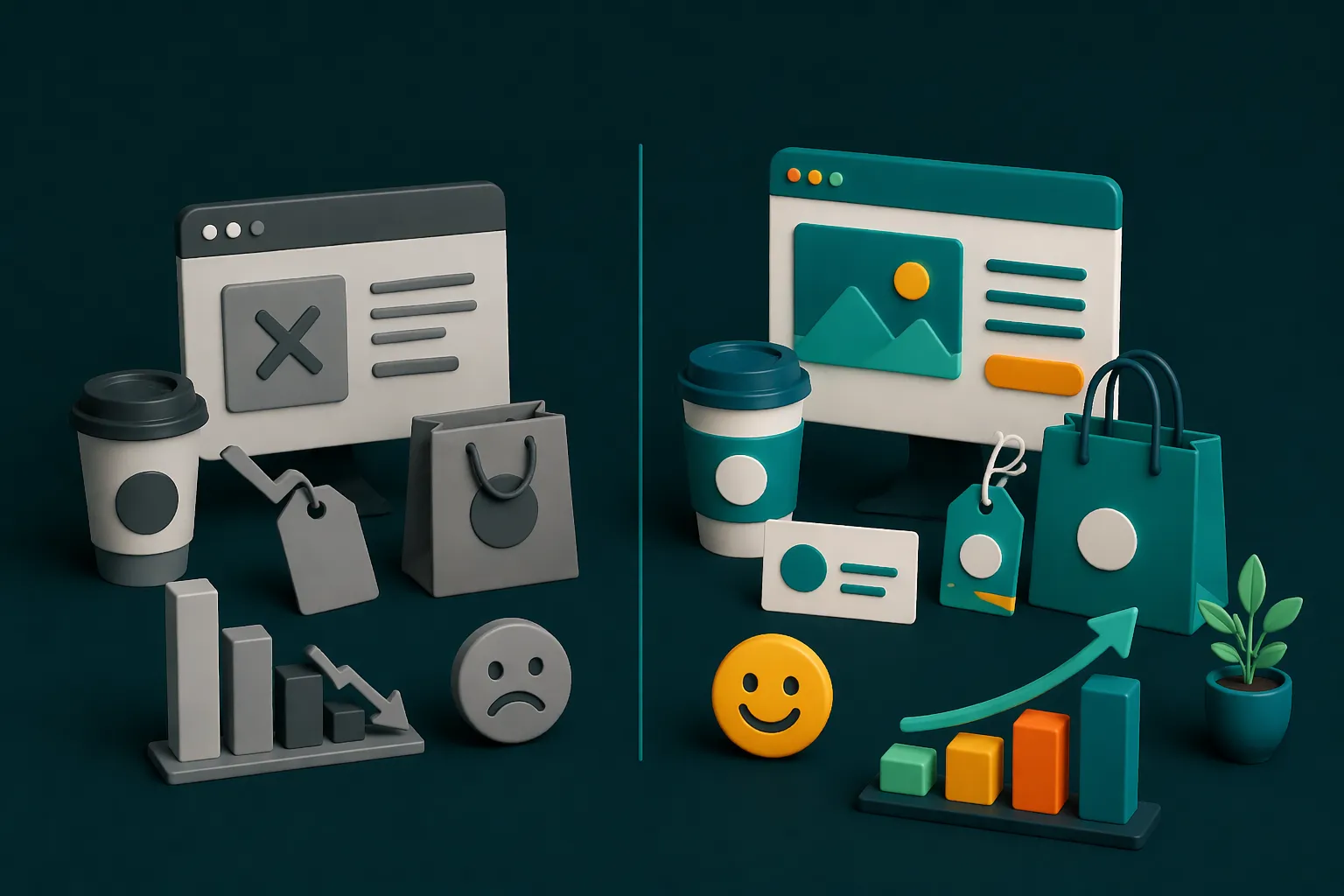
• Crafting Campaigns That Stick, Sell & Scale

    Crafting Campaigns That Stick, Sell & Scale

    If your campaign involves Comic Sans, a pun on “going viral,” and a vague CTA like “Check it out,” please step away from the whiteboard and go take a nap. You’re tired. Your audience is too.

    The truth is, building creative marketing campaigns today is like trying to go viral at a dinner party, there’s a very fine line between magnetic and mortifying. And the brands who nail it? They know one thing: campaigns aren’t just content. They’re architecture.

    They’re built to stick.
    Built to sell.
    And most importantly, built to scale.

    Take Wildcraft’s “Hello Outdoor” campaign, for instance, a 360° strategy by Narrative that tapped into post-lockdown emotions and positioned the brand as the ultimate enabler of outdoor joy. It wasn’t just a campaign; it was a well-timed sentiment turned into scalable storytelling.

    Let’s break that down.

    Start With a Spine, Not a Moodboard

    The average campaign today dies in a brainstorm. Why? Because we chase the vibe instead of the why.

    Good campaigns aren’t just pretty. They’re purposeful. That’s the difference between something that looks nice and something that moves the needle.

    What does this take? A real, working core idea and the ability to adapt it into integrated brand campaigns that feel seamless across every platform, every asset, every medium.

    Your audience should never feel like they’re meeting five different versions of you depending on whether they see your ad on Instagram or in an email.


    Spoiler alert: consistency is credibility.

    Example: Apple’s “Shot on iPhone” campaign. The concept adapts flawlessly across billboards, web, packaging, and social.

    Performance-Driven Advertising: The Art of Not Guessing

    Raise your hand if you’ve ever launched a campaign with fingers crossed and a prayer to the algorithm gods. Now put your hand down and open your dashboard.

    Performance-driven advertising isn’t just for growth marketers, it’s the secret weapon of every good creative team. Because the only thing sexier than a killer concept is a killer concept that works.

    We’re talking CTRs that make your CMO weep with joy. Engagement that actually means something. Sales that show up in the real world, not just the pitch deck.

    How? Simple: you test it. You track it. You tweak it. That’s where campaign performance optimization earns its keep.

    Example: Airbnb’s performance campaigns personalized by geography and search history. 


    The Rise of Data-Driven Creativity

    Let’s say it louder for the folks in the pitch room: data doesn’t kill creativity, it sharpens it.

    Brands that understand this are thriving. Because they’re not throwing spaghetti at the wall anymore. They’re cooking with recipes that already work, then adding just the right seasoning to make it their own.

    A data-driven marketing campaign lets you marry emotional storytelling with behavioral insights. You know what your audience clicks, shares, saves, skips and you use that to build something smarter.
    Something that doesn’t just look good on a billboard but works in a carousel, an email, a YouTube pre-roll, or even on the side of a bus.

    That’s what multi-channel advertising campaigns are all about, meeting people wherever they are, without losing your voice along the way.

    Example: Netflix’s data-driven recommendations and creative localization in marketing.


    Storytelling in Advertising: The Underrated Sales Funnel

    Let’s get something straight. Storytelling isn’t fluff. It’s a function.

    Why do people cry over a gum commercial or feel personally victimized by a tea ad? Because storytelling in advertising hits the limbic brain, the part that makes us feel something before we even process why.

    And when stories align with strategy? That’s absolutely magical.

    Whether it’s a 30-second Instagram reel or a 3-minute brand film, the structure remains:

    Problem → Tension → Resolution → Brand.

    You’re not just describing a product. You’re narrating a transformation. (And, yes, that includes selling toilet paper. Everyone’s got a story.)

    Example: Google India’s “Reunion” campaign


    When It’s Not Working, Customize It

    Not every brand needs a big scale ad. Some just need a smart, sharp idea with legs.

    That’s why custom brand marketing solutions matter. Cookie-cutter campaigns are easy to spot and even easier to ignore. What you need is creativity that fits your tone, your audience, your moment and ideally, doesn’t look like it was built off a Canva template from 2015.

    Whether you’re launching a brand refresh or rolling out your 10th product line, tailor the execution. Target the insight. Build for impact.

    Example: Nike’s custom campaign “You Can’t Stop Us” focused on diverse audience segments.


    A Creative Digital Campaign Should Work Harder Than Your Sales Team

    Digital’s the playground, but most brands are still playing it safe. A creative digital campaign should stop scrolls, start conversations, and start an action. That’s a tall order, but with the right hook and format mix—video, motion graphics, memes (yes, memes)—it’s possible.

    Think Spotify Wrapped. Think Cadbury’s personalized Diwali campaigns. Think Zomato’s push notifications that feel like they were written by your funny, slightly toxic ex.

    That’s creative. And it converts.
    Example: Spotify Wrapped’s personalized user campaigns.


    Don’t Sleep on the Offline Stuff

    In a pixel-first world, going offline might feel retro. But don’t confuse vintage with ineffective.

    The best digital and offline brand campaigns work in tandem. What people see on a hoarding should echo in their Instagram feed. What they hear on the radio should click when they hit your landing page.

    Because audiences don’t live on just one channel and your campaign shouldn’t either.

    Example: Burger King’s “Moldy Whopper” offline + online combo campaign.

    So What Makes a Campaign That Actually Works?

    Let’s recap:

    -It’s consistent and cross-platform (integrated brand campaigns).
    -It blends emotion with evidence (performance-driven advertising).
    -It uses insights, not assumptions (data-driven marketing campaigns).
    -It’s tailored, not templated (custom brand marketing solutions).
    -It moves with your audience (multi-channel advertising campaigns).
    -And it tells a damn good story (storytelling in advertising).

    That’s the stuff that sticks. That’s the stuff that sells.

    In Short

    In a world where your audience sees 10,000 ads a day (and remembers maybe three), you can’t afford to be forgettable. Your campaign has to punch above its weight not just to grab attention, but to earn trust and drive action.

    Whether it’s one platform or ten, digital or physical, campaign planning isn’t about ticking boxes. It’s about building ideas that last longer than a scroll.

    So if you’re ready to craft campaigns that actually perform campaigns that stick, sell, and scale, maybe it’s time we talked.Because at Narrative Asia, we don’t just make noise. We make meaning.

  • How to Make Videos People Actually Watch

    How to Make Videos People Actually Watch

    How to Make Videos People Actually Watch

    I’ve begun to realise that most — okay, all (guilty) — of my Saturdays are now spent doom scrolling. Not exactly the healthiest habit. I wake up, freshen up, plop right back on the bed, and begin what I lovingly call the devil’s ritual: an hour or five of just zoning out on my screen. Could be Instagram reels, YouTube rabbit holes, or a Netflix docuseries I didn’t plan to start. It doesn’t matter what platform it is anymore. What matters is one thing: video rules.

    And it’s not just me.

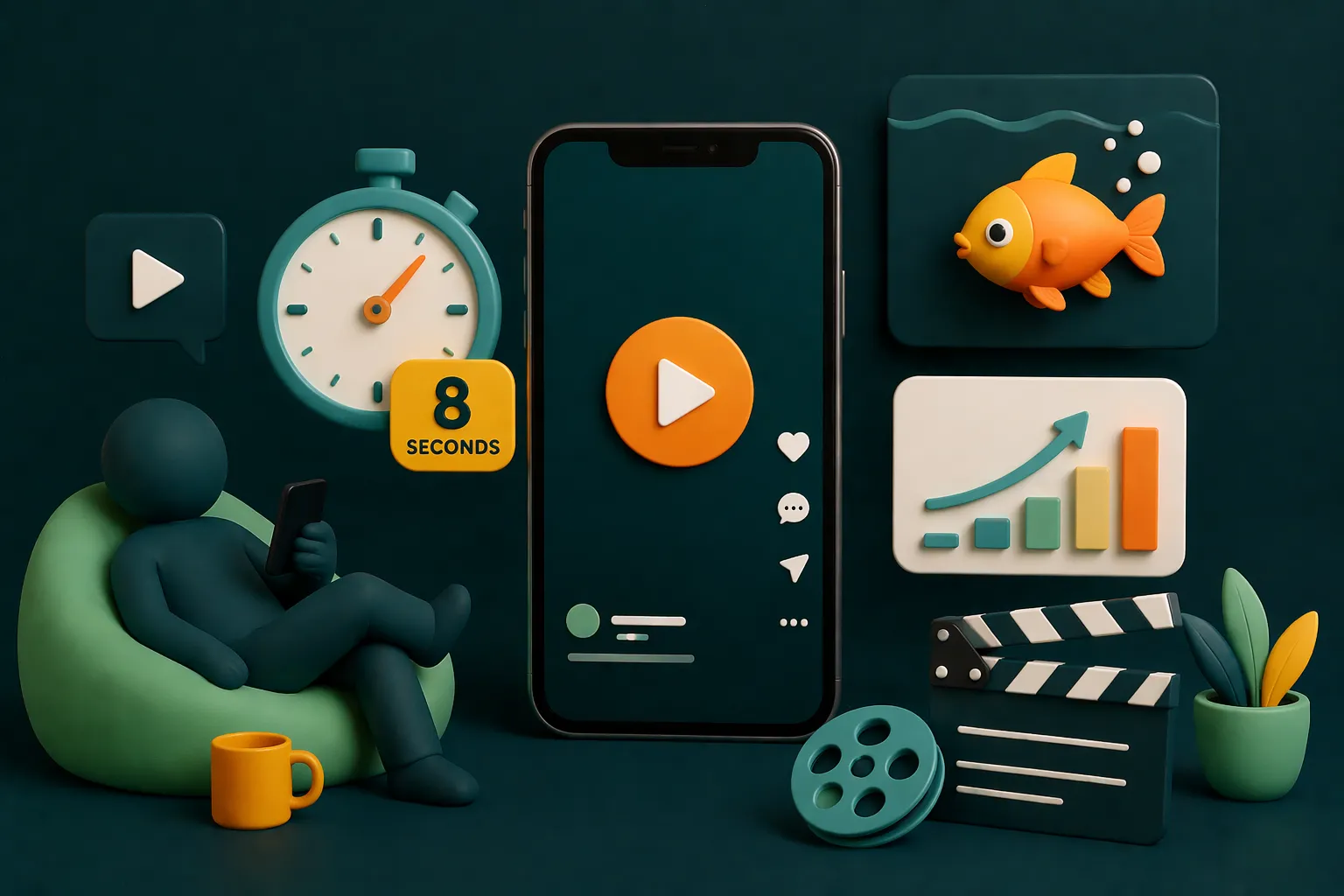
    Studies show that the average human attention span is now shorter than that of a goldfish — around 8 seconds. 

    Which means you’ve got mere seconds to hook someone before they scroll past your hard work. If you’re a brand, that means figuring out not just how to make a video, but how to make videos people actually watch.

    From Thriller to TikTok: The Evolution of Video

    Let’s rewind for a second. Back in the day, when Michael Jackson released Thriller, it wasn’t just a music video. It was a global event. That video ran for 13 minutes. 13 minutes! And people watched the whole thing. Repeatedly. Because it was an experience.

    Today? Your audience is skipping after 5 seconds. Music videos are now barely 3 minutes long.

    So, what does that mean for brands?

    It means your video can’t just exist. It has to earn attention, fast.

    So, What Makes Us Watch Now?

    You know the kind of video I’m talking about. That ad you saw for a life insurance company in Thailand and thought, “Why am I crying?” Or the one with the grandpa learning English just to talk to his granddaughter.

    Stories work.

    Because people don’t care about your brand until they feel something about it. That’s where authentic brand storytelling comes in.

    The Art & Science of Making Engaging Brand Videos

    Here’s where it gets interesting. Creating engaging brand videos isn’t just about fancy equipment or good lighting. It’s about marrying the heart (emotion) with the brain (strategy). Here’s how:

    1. Start with Purpose

    Are you creating a:

    Brand Film? 

    Testimonial? 

    Product Demo?

    Each format has its own rhythm and tone. Professional video production doesn’t begin with a camera. It begins with clarity.

    Ask: Why are we making this? Who is it for? What should they feel or do after watching? This is what drives strategic video storytelling.

    1. Decide the Duration With Purpose

    Here’s a rough cheat sheet:

    • Brand Film: 60–90 sec
    • Testimonial: 45–60 sec
    • Product Video: 30–45 sec
    • Reels/Shorts: 10–30 sec

    But remember: it’s not about length, it’s about value per second.

    1. Write Like a Human

    Your script should sound like a conversation, not a brochure.

    Bad: “We provide scalable, innovative fintech solutions.”

    Better: “We help banks move faster and smarter with tech that actually works.”

    Great brand video production keeps things clear, simple, and sharp.

    1. Emotional Always Wins

    Even when you’re talking numbers, show the people behind them. A startup story. A founder moment. A customer problem. If you can tap into a real, relatable emotion, you’re 90% there.

    1. Think in Visuals

    Once you’ve got your story, start visualising:

    • What does this feel like?
    • Who’s in the frame?
    • Where is it shot?
    • What’s the pacing?

    Great brand film production knows when to go cinematic and when to go raw and real.

    A good video makes people feel. A great one makes them act.

    And if you’re a brand, that action could be:

    • Click the link
    • Sign up
    • Visit your website
    • Just… remember you next time they’re buying

    How to Increase Audience Retention

    Retention = how long people stay watching. Here’s how to keep eyes on screen:

    • Start with a hook: Ask a question or show a striking visual in the first 3 seconds
    • Cut the fluff: Every second should move the story forward
    • Use sound intentionally: Music, voiceover, silence — it all sets tone
    • Add text: Especially for mobile-first audiences who watch with sound off
    • Include people: Faces make us stay longer

    Final Frame: Watch-Worthy is Worth It

    The internet is crowded. Your video doesn’t just compete with other brands. It competes with cat videos, failed compilations, and everything in between.

    But with a clear purpose, a well-told story, and a little heart? You’re already ahead of most.

    So whether you’re creating a professional video for your business, a product demo, or a full-blown brand film — remember this:

    People will watch your video if you give them a reason to care.

    Make it worth their time.

  • Why Brands Can’t Afford to Sit This One Out!!!

    Why Brands Can’t Afford to Sit This One Out!!!

    Why Video Marketing for Brands Is No Longer Optional

    We live and breathe video. From binging YouTube after work to scrolling Instagram during it, moving images are everywhere. Consumers just can’t get enough. And with attention spans shorter than ever, if we don’t catch their eye fast—we lose them. That’s why video marketing for brands is no longer optional.

    Algorithms prioritize video. Business video content that tells a compelling story gets seen, shared, and remembered. This isn’t just a trend—it drives brand recall, builds emotional connection, and boosts conversions.

    Example: Apple’s “Don’t Blink” product launch video captures attention in under 2 minutes.

    Why Brands Need to Produce More Films and What’s at Stake

    One video might spark interest, but it’s consistency that builds brand memory. With corporate video production, product films, and brand storytelling video, you create touchpoints that move your audience along their journey.

    Each video reinforces your brand voice and vision, helping people remember and trust you.

    Example: HubSpot’s ongoing video series for product tutorials and brand storytelling.

    The Rise of Brand Storytelling Video: Emotional Impact That Lasts

    Brand storytelling video connects with audiences on a human level. It’s less about selling and more about sparking emotion, humour, hope, even tears.

    It builds deeper resonance and loyalty over time.

    Example: Nike’s “Dream Crazy” with Colin Kaepernick.


    Beyond the Basics: Rethinking Corporate Video Production

    Modern corporate video production is no longer boring or staged. It can be lively, personal, and transparent, capturing your team’s passion, your leadership’s voice, or your culture in action.

    It builds connection and authenticity.

    Example: Zendesk’s quirky corporate culture video.


    Marketing Videos for Business: More Than Product Promos

    Yes, product promos matter but marketing videos for business can also educate, entertain, and inspire. Explainers, behind-the-scenes, reels, and event recaps all keep your content fresh.

    It’s about creating value, not just noise.

    Example: Slack’s “So Yeah, We Tried Slack” explainer.


    How Brand Awareness Videos Build Trust

    Brand awareness videos are less about the hard sell and more about creating familiarity. They define your vibe, ethos, and what you stand for.

    Perfect for top-of-funnel visibility.

    Example: Airbnb’s “We Accept” campaign.


    Customer Testimonial Video Production: Stories That Sell

    People trust people. That’s why customer testimonial video production is so powerful, real stories create real connection.

    They reassure, build credibility, and close gaps in trust.

    Example: Google Workspace customer testimonial with Colgate-Palmolive.


    What Narrative Asia Covers

    At Narrative Asia, our brand video production services bring your message to life—strategically, creatively, and with heart. We collaborate closely with you at every stage, from planning to post.

    • Brand Films: Your purpose distilled into a cinematic story.
    • Product Films: Highlight real-life utility and spark desire.
    • Corporate Films: Capture your team’s energy, leadership, and work culture.
    • Customer Testimonials: Feature happy clients sharing their genuine experiences.
    • Campaign Launch Films: Create buzz and launch with impact across all digital platforms.

    Whatever the goal, awareness, education, or conversion. We make it visual, human, and unforgettable.


    Content Marketing Video Strategy: Aligning Film with Your Funnel

    A strong content marketing video strategy aligns video types with the buyer’s journey:

    • Awareness Stage: Use brand awareness videos and brand film production to spark interest.
    • Consideration Stage: Roll out marketing videos for business, explainers, and customer testimonial video production.
    • Decision Stage: Deliver business video production content—product demos, limited-time offers, and testimonials.

    Track performance and optimize for maximum ROI.

    Example: Intercom’s video funnel across ads, case studies, and explainers.
    https://www.youtube.com/@Intercominc/videos


    Films as Long-Term Brand Assets with the Power to Move People

    Videos aren’t just content, they’re emotional brand assets. Each film you produce, from corporate video production to brand storytelling video, shapes how people remember and feel about your brand.

    It’s not about going viral, it’s about staying relevant and memorable.

    Example: Dove’s “Real Beauty Sketches” campaign.

    In Short 

    • Video is attention’s currency, invest wisely.
    • Strategy beats spontaneity.
    • One film can spark curiosity, but consistent content builds loyalty.

    Let’s Create Work That Moves People. Smart brands don’t just tell stories, they show them. Ready when you are.

    Partner with Narrative Asia and let’s get rolling.

  • Brand in Crisis? How to Rediscover and Rebuild Your Identity

    Brand in Crisis? How to Rediscover and Rebuild Your Identity

    Brand in Crisis? How to Rediscover and Rebuild Your Identity

    Your business has evolved. Has your brand kept up?

    Does your brand feel a bit… out of sync lately? Maybe your messaging no longer resonates. Your visuals feel outdated. Or your customers have very different ideas about what your brand truly stands for. If any of that sounds familiar, you may be facing a brand identity crisis — a common yet critical challenge as companies grow.

    The good news? It’s fixable. Sometimes, the best way to move forward is to leave the old brand story behind.

    What Makes a Strong Brand Identity? Before jumping into crisis mode, it helps to revisit the basics. A strong brand identity builds trust, helps you stand out, and creates meaningful connections with your audience.

    Brand Identity Your brand identity is how your business looks, sounds, and feels. This includes your logo, color palette, typography, voice, messaging, and values.

    A strong brand identity:

    • Creates recognition
    • Builds emotional connection
    • Reflects your purpose and personality
    • Ensures consistency across touchpoints

    It’s the personality of your business and one of your most powerful strategic assets.

    Examples:

    Coca-Cola: A globally consistent identity rooted in joy and nostalgia. Its iconic visuals and tone are instantly recognizable.

    Airbnb: Built on belonging. Its warm tone and simple visuals reflect a mission to help people feel at home anywhere.

    Brand Messaging Messaging is how your brand speaks  not just in taglines, but in emails, captions, product descriptions, and more.

    Strong messaging:

    • Reinforces your brand values
    • Builds connection
    • Helps customers quickly understand what you offer

    Done right, messaging feels like a confident conversation, not a sales pitch.

    Examples:

    Nike: Bold and motivational, Nike’s voice inspires action and speaks to resilience.

    Dove: Champions real beauty and confidence with empathy and authenticity.

    Brand Consistency Brand consistency means your brand shows up the same way everywhere visually, verbally, and emotionally. Whether on your website, email, or Instagram, people should instantly recognize it’s you.

    Why it matters:

    • Builds credibility
    • Creates trust
    • Strengthens brand equity

    Without consistency, even the best strategy falls flat.

    Examples:

    Spotify: Bold visuals and playful tone remain consistent across all channels.

    IKEA: Clean design and practical tone show up across stores, catalogs, and online.

    What Is Brand Repositioning Strategy and When Do You Need It? 


    Not every brand needs a total overhaul. Sometimes, repositioning is all it takes to stay relevant.

    Brand repositioning reshapes how your brand is perceived, without changing your core product or service. This might mean targeting a new audience, refining your messaging, or shifting your value proposition.

    If you’re solving the right problem but attracting the wrong people, repositioning might be the fix.

    Examples:

    Burberry: Repositioned by embracing its British roots and elevating fashion credibility — without changing core products.

    McDonald’s: Modernized visuals, menu, and messaging to shift perception from fast food to mindful dining.

    What Is a Brand Identity Crisis? (And Why It’s Not the End of the World) 

    A brand identity crisis happens when there’s a disconnect between how you present your brand and how it’s perceived or understood.

    This can look like:

    • Outdated or inconsistent branding
    • Unclear or generic messaging
    • Confused team members
    • Misalignment between goals and expression
    • Disconnect with your audience or tone

    Crises can be triggered by growth, market shifts, restructuring, or time. What once worked might no longer fit.

    Sometimes, it shows up subtly: off-key messaging, visuals that feel dated, or a brand that just isn’t pulling its weight.

    But the good news: it’s solvable. With the right repositioning strategy, you can realign your identity to reflect your vision, audience, and market — without losing your core.

    Examples:

    Gap: A 2010 logo change sparked backlash, showing disconnect and lack of strategy. Weight Watchers: Rebranded to “WW,” confusing audiences and diluting purpose. Uber: Faced trust issues during internal crises; later repositioned with clear values. 

    Yahoo: Lost ground due to unfocused branding and slow evolution.
    Let’s face it: no brand stays perfect. Markets shift. Audiences evolve. And what once worked might not anymore.

    So, how do you know it’s time for a change?

    Signs You Need a Rebrand

    1. Your visuals feel outdated

     Your logo or design may no longer reflect who you are. If it feels stuck in a past era, it may be time to refresh.

    1. You’re attracting the wrong audience 

    If you’re bringing in customers who don’t align with your offering, your positioning may be off.

    1. Internal misalignment 

    If teams don’t agree on what your brand stands for, that confusion will show up externally.

    1. Messaging requires too much explanation 

    If people don’t instantly get what you do or why it matters, your messaging needs work.

    1. You’re reacting, not jumping 

    On trends to stay relevant often leads to a diluted identity. Strategy should guide you, not just visibility.

    1. Performance is slipping

    Falling engagement or stagnant growth might be about brand perception, not product.

    1. Disconnected values and voice 

    If your tone feels off or your values aren’t clear, customers will notice the disconnect.

    1. Your business has evolved, but your brand hasn’t

    If your offerings or audience have changed but your brand hasn’t kept up, that gap creates confusion and limits growth.

    If several of these ring true, it might be time to revisit your brand strategy.

    How to Rebuild a Weak Brand Identity (Without Starting From Scratch) A weak or outdated brand doesn’t always need a total reset. Often, a strategic refresh can realign and strengthen your identity.

    • Conduct a Brand Audit 

    Review of your brand assets. Identify what feels strong and what feels inconsistent or outdated.

    • Revisit Your Audience 

    Reassess who you’re talking to. Their needs and expectations may have changed.

    • Reconnect with Purpose 

    Your brand should reflect your mission. Ask: are we clearly expressing our values?

    • Refine Your Messaging 

    Update your tone, story, and key messages to reflect where you are today.

    • Refresh Your Visuals 

    You don’t need to start over. Small updates to colors, logos, or typography can revitalize your brand.

    • Align Your Team 

    Make sure everyone on your team understands and embodies the brand.

    • Roll It Out Thoughtfully 

    Whether it’s a bold shift or a subtle evolution, communicate the why behind the change.

    In Short

    A brand identity crisis isn’t the end. It’s a signal of growth. You’ve outgrown an older version and are ready for what’s next.

    The strongest brands adapt. They stay rooted in purpose but evolve in strategy. Whether you’re facing unclear messaging, outdated visuals, or internal misalignment, there’s a clear path forward.

    Start with strategy. Stay consistent. And let your brand grow with you.

  • From Meh to Memorable: How Great Branding Makes All the Difference

    From Meh to Memorable: How Great Branding Makes All the Difference

    The other day, my mom nagged me for the third time to “get an LIC.” What she actually meant was life insurance. But like most of us, she casually used a brand name instead of the actual product.

    Funny thing is — LIC may not have the flashiest branding today, but it’s so deep-rooted in our heads. We know its colours, we know what it stands for, and we instantly connect it with life insurance.

    And it’s not just LIC. We’ve all said “Xerox” when we meant photocopy, “Dunzo it” for deliveries, “Google it” for an online search, and “Maggi” for any instant noodles. Some of these brands may come and go, but the ones that stick become part of our everyday language. That’s the power of good branding.

    What Is Branding, Really?

    Most people think branding is just a logo, a catchy name, and maybe a tagline. But it’s so much more.

    Branding is the way people feel about your business. It’s the perception they carry in their heads when they hear your name, see your product, or even talk about you to a friend.

    It shapes brand trust, drives brand loyalty, and influences how people choose between you and a dozen others doing the exact same thing. And that’s exactly why branding is important for businesses of any size.

    What Comes Under Branding?

    To simplify it, here’s what typically falls under the branding umbrella:

    Brand Questionnaire

    Before you start on the branding journey, you need to deeply understand the brand. Think of it as the foundation of the entire branding journey. This set of questions helps everyone involved get aligned on what truly matters—what the brand does, who it serves, how it wants to be perceived, and why it exists in the first place.

    1. Brand Discovery

    It starts with asking the right questions. Who are you? What do you believe in? This is where tools like a Brand Questionnaire come in — to get clarity on what you stand for. Brand discovery entails deep research, about the audience, industry, competitors and everything there is to know about the brand.

    1. Brand Strategy

    Once you know who you are, you can decide where you want to go.
    A good brand strategy includes:

    • Perception Shift

    This is all about changing the narrative. Maybe you’re seen as traditional and you want to feel more innovative. Or perhaps you’re known for affordability, but now you want to be recognized for quality. A perception shift defines the gap between current perception and desired reputation—and becomes a compass for your brand communication strategy.

    • Brand Core

    Your brand core is your non-negotiable truth. These are the guiding principles behind every decision—what you stand for when no one’s looking. Values shape your culture, tone of voice, hiring, product development, and even your audience connection. Beliefs help your audience understand your deeper “why”.

    • Positioning

    Your positioning isn’t just what you say you are—it’s what your customers believe you are, especially in contrast to your competitors. It’s your unique advantage or space in the market. Strong positioning answers the question: “Why should someone choose you over the next best alternative?”

    • Vision & Mission

    These are the two anchors of your brand’s ambition:

    Mission: What you do today. Your everyday promise.

    Vision: What you’re striving to become. Your future goal.

    • Brand Archetype

    Borrowed from psychology, brand archetypes help humanize your brand by assigning it a recognizable personality type. They guide tone, messaging, behavior, and visual style. Archetypes make it easier for your audience to emotionally relate to you.

    • Brand Personality

    If your brand walked into a room, what kind of impression would it leave? Your brand personality is the set of human traits that define your voice, tone, and aesthetic. It’s what makes your brand feel real, likable, and consistent—across ads, emails, social captions, and even chatbot responses.

    This is where your brand awareness strategy is born — it decides how people will discover you and how you’ll stay top of mind.

    1.  Brand Expression

    Now comes the fun part: how it all looks, sounds, and feels.

    Brand Articulation

    Brand articulation is the language system your brand uses—how you describe what you do, what you stand for, and why you matter. It’s not just what you say, but how you say it. It brings consistency to everything from your tagline to your pitch deck to your social media bios.

    It’s your voice. Your vocabulary. Your way of showing up in words.

    Think of it as your brand’s verbal fingerprint.

    When done well, people recognize your brand even if your logo isn’t present.

    Brand Story

    Your brand story is the narrative arc of your business—it’s not a one-time “About Us” blurb. It’s the cohesive, human-centered tale of who you are, what problem you solve, and why your brand matters to the world. A great brand story builds emotional resonance and fosters trust and loyalty.

    Your story doesn’t start with your product—it starts with your purpose.

    Together, these build brand awareness, improve brand visibility, and eventually shape brand loyalty.

    The Benefits of Strong Branding

    When done right, branding moves your business from forgettable to unforgettable.
    It:

    • Builds brand trust — people choose what they trust.
    • Increases brand awareness, so people think of you when they need your product.
    • Creates brand loyalty, which means customers don’t just buy once, they keep coming back.
    • Improves brand perception in a crowded market.
    • Helps design a powerful brand awareness marketing strategy that brings in customers organically.

    And above all, great branding influences business growth in ways advertising alone can’t.

    When people believe in what you stand for, they don’t just buy from you — they talk about you, recommend you, and stick with you through thick and thin.

    In Short

    Whether you’re a homegrown café, a tech startup, or a clothing brand, it’s worth investing in branding. It’s not just about looking good — it’s about being remembered for the right reasons.

    And if someday someone uses your brand’s name instead of the product category (like Maggi or Google), you’ll know you’ve made it.